
Most people assume animal-shaped puzzles are just colorful toys for toddlers. That’s a costly misconception. These handcrafted wooden creations blend artistic design, cognitive development, and home decor in ways traditional rectangular puzzles never could. Parents and gift buyers who overlook them miss out on unique opportunities for skill building, stress relief, and elevated interior aesthetics. This guide unpacks what defines animal-shaped puzzles, their proven benefits for all ages, how they compare to standard puzzles, and practical steps for choosing and displaying them as functional art in your home.
Table of Contents
- What defines an animal-shaped puzzle?
- Benefits for kids and adults: Skill development and relaxation
- Comparison: Animal-shaped puzzles vs. traditional puzzles
- How to choose (and display) the perfect animal-shaped puzzle
- Explore unique wooden animal puzzles
- Frequently asked questions
Key Takeaways
| Point | Details |
|---|---|
| Artistic and eco-friendly | Animal-shaped puzzles are made with sustainable materials and feature handcrafted designs, adding artistic flair to any space. |
| Skill-building and relaxation | They foster cognitive growth, motor skills, and mindfulness for both kids and adults, with proven stress relief benefits. |
| Unique challenge and decor | Unlike traditional puzzles, animal shapes offer unique assembly challenges and stand out as display-worthy home accents. |
| Proven family enjoyment | User reviews consistently show high satisfaction, highlighting long play times and creative engagement across generations. |
What defines an animal-shaped puzzle?
Animal-shaped puzzles use artistic, intricate designs that mimic real creatures, from otters and cows to exotic wildlife. Unlike conventional rectangular jigsaws, these puzzles take the silhouette of the animal itself, creating a three-dimensional visual experience that doubles as decor once assembled. Typically crafted from eco-friendly wood, they prioritize durability and aesthetics over mass-produced cardboard alternatives.
Many are laser-cut for precision, ensuring each piece fits snugly while maintaining the organic curves and details of the animal form. Some feature hand-painted accents or natural wood grain finishes that enhance their artistic appeal. Complexity varies widely, from simple designs with large pieces for young children to elaborate art pieces with hundreds of interlocking components for adults. The water otter puzzle and snuggly cow puzzle exemplify this range, offering both playful charm and sophisticated craftsmanship.
What sets these puzzles apart is their dual purpose. They’re not just entertainment. Once completed, they become conversation starters and wall art. The whimsical shapes aid stress relief but demand spatial reasoning over pattern matching, making them cognitively engaging in ways standard puzzles aren’t. This blend of entertainment and decorative appeal is why they’ve gained traction among eco-conscious consumers and design enthusiasts.
Key features that define animal-shaped puzzles:
- Organic silhouettes that mirror real animal anatomy
- Premium wood materials, often sustainably sourced
- Laser-cut precision for intricate, interlocking pieces
- Hand-painted or natural finishes for visual depth
- Scalable complexity for ages 3 to adult
- Display-ready designs that function as home accor
For those exploring beyond flat designs, 3D wooden puzzles offer an additional layer of challenge and sculptural beauty. These three-dimensional variants require assembling pieces into freestanding structures, adding a tactile and spatial dimension that flat puzzles lack.
Benefits for kids and adults: Skill development and relaxation
Animal-shaped puzzles deliver measurable cognitive and emotional benefits across age groups. For children, playtime with these puzzles builds fine motor skills and spatial intelligence. Manipulating irregular wooden pieces strengthens hand-eye coordination and problem-solving abilities. Parents note hours of play and skill gains, with user ratings reaching 4.8 out of 5 for Ravensburger and 4.9 out of 5 for Melissa & Doug animal puzzle lines.
Adults experience different but equally valuable rewards. The tactile nature of wood and the whimsical shapes aid stress relief, creating a meditative state similar to mindfulness practices. Assembling an animal puzzle requires focused attention on shape, texture, and spatial relationships, pulling your mind away from daily stressors. This isn’t just anecdotal. Research shows wooden puzzles reduce cortisol by 20 percent during assembly sessions, making them effective tools for anxiety management.
“The irregular edges and organic curves force you to think differently. You can’t rely on corner pieces or straight lines. It’s a creative workout that feels more like play than work.” — Parent review, Ravensburger animal puzzle collection
Here’s how different age groups benefit:
- Ages 3 to 6: Large wooden pieces develop grip strength and shape recognition. Simple animal outlines introduce problem-solving without frustration.
- Ages 7 to 12: Mid-complexity designs challenge spatial reasoning and patience. Kids learn to break large tasks into manageable steps.
- Teens and adults: Intricate animal puzzles provide creative outlets and stress relief. The absence of a grid structure demands innovative thinking.
- Seniors: Tactile wooden pieces support cognitive health and dexterity. Animal themes evoke positive memories and emotional connections.
Pro Tip: Start with puzzles that have 50 to 100 pieces if you’re new to animal shapes. The learning curve is steeper than traditional puzzles, but the satisfaction of completing an organic form is worth the extra effort.
For deeper insights into how puzzle shapes influence cognitive engagement, explore skill development benefits. If relaxation is your primary goal, browse best puzzles for relaxation to find designs optimized for mindfulness. The intersection of play and mental wellness is where animal-shaped puzzles truly shine, offering wooden puzzles for mindfulness that serve both entertainment and therapeutic purposes.
Comparison: Animal-shaped puzzles vs. traditional puzzles
Animal-shaped puzzles and traditional rectangular puzzles serve different purposes, and understanding these distinctions helps you choose the right option for your needs. Traditional puzzles rely on edge pieces, grid patterns, and image matching. You start with corners, build the border, then fill in sections based on color and pattern. It’s methodical and predictable.
Animal-shaped puzzles flip that script. There are no edges to anchor your progress. Whimsical shapes demand spatial reasoning over pattern matching, forcing you to think about how organic curves and irregular pieces connect. This makes them more challenging but also more engaging for those who crave creative problem-solving.
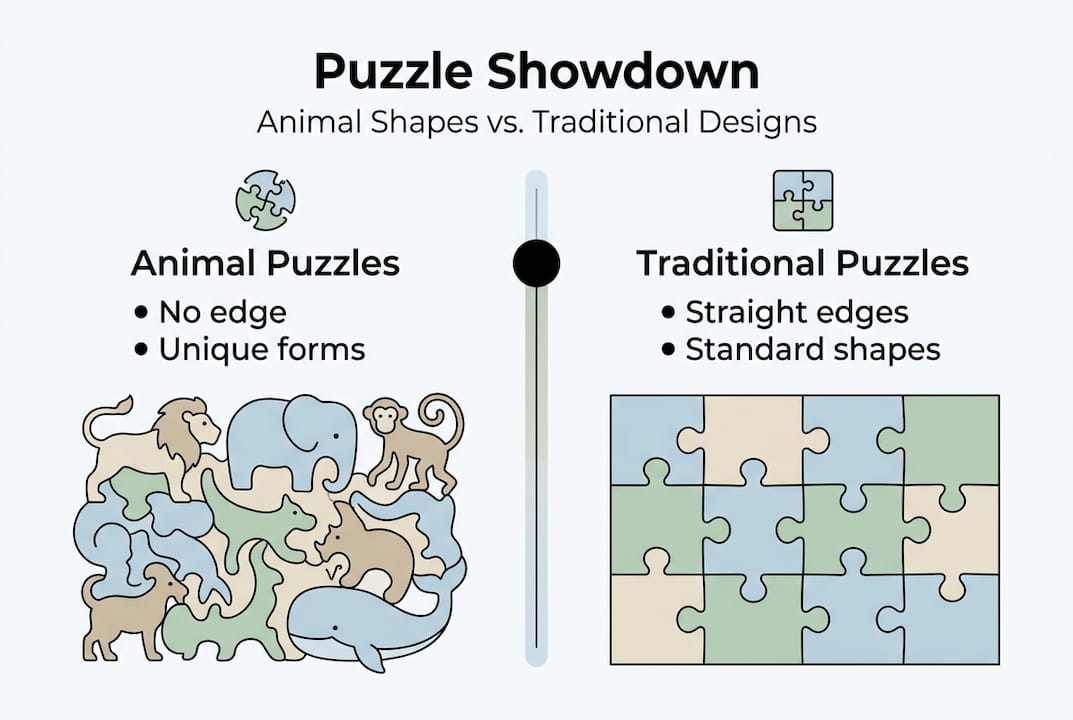
Here’s a side-by-side breakdown:
| Feature | Animal-Shaped Puzzles | Traditional Puzzles |
|---|---|---|
| Design | Organic silhouettes, no straight edges | Rectangular grid with defined borders |
| Skill Focus | Spatial reasoning, tactile exploration | Pattern matching, color sorting |
| Difficulty | Higher due to irregular pieces | Moderate, predictable structure |
| Decor Value | High, display as freestanding art | Low, requires framing to display |
| Material | Premium wood, eco-friendly | Cardboard, less durable |
| Repeat Play | High, unique challenge each time | Moderate, pattern becomes familiar |
| Age Range | 3 to adult, scalable complexity | All ages, but less engaging for adults |
The decor potential is where animal-shaped puzzles truly outshine their rectangular counterparts. Once assembled, a wooden otter or cow puzzle becomes a sculptural piece you can display animal puzzles on shelves, walls, or tabletops. Traditional puzzles require gluing and framing to achieve similar results, adding cost and effort.
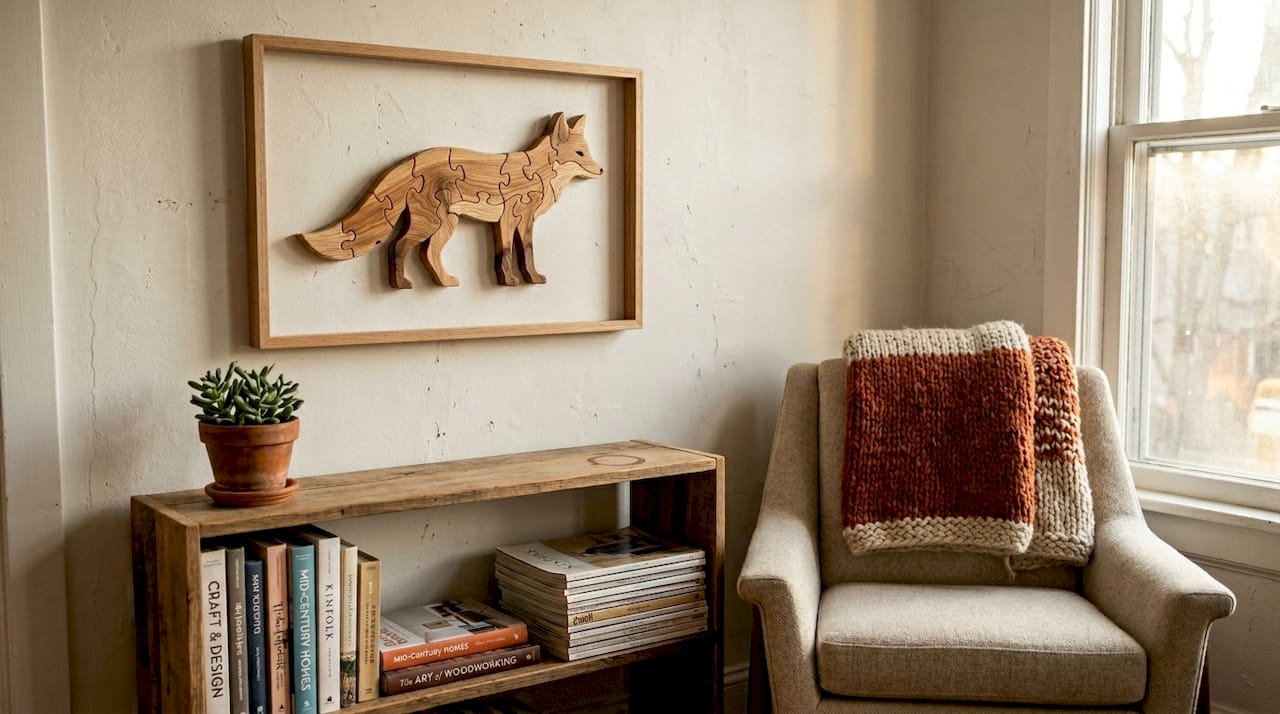
Statistic Callout: User ratings for animal-shaped puzzles average 4.85 out of 5 across major brands, compared to 4.2 for traditional cardboard puzzles. Parents cite uniqueness and repeat play value as key differentiators.
Key advantages of animal-shaped puzzles:
- Artistic appeal: Natural wood grain and organic forms elevate home aesthetics
- Cognitive challenge: No edge pieces or grid structure to simplify assembly
- Sustainability: Wood is recyclable and longer-lasting than cardboard
- Tactile satisfaction: Smooth wooden pieces feel better in hand than cardboard
- Gift value: Perceived as premium, thoughtful presents for all occasions
For inspiration on integrating puzzles into your living space, check out home decor puzzle ideas. The shift from disposable cardboard to heirloom-quality wood reflects a broader trend toward mindful consumption and sustainable hobbies.
How to choose (and display) the perfect animal-shaped puzzle
Selecting the right animal-shaped puzzle requires balancing age, skill level, decor goals, and material preferences. Here’s a step-by-step framework to guide your decision:
- Assess skill level and age: For children under 6, choose puzzles with 20 to 50 large pieces. Ages 7 to 12 can handle 100 to 200 pieces. Adults seeking a challenge should explore 300-plus piece designs with intricate details.
- Prioritize eco-friendly materials: Look for sustainably sourced wood, non-toxic finishes, and recyclable packaging. Premium puzzles often specify the wood type, such as birch or maple.
- Evaluate artistic features: Hand-painted accents, laser-engraved details, and natural wood grain add visual interest. Decide whether you want a realistic animal depiction or a stylized, abstract interpretation.
- Consider decor compatibility: Match the puzzle’s color palette and style to your existing interior design. Neutral wood tones blend with most aesthetics, while painted designs make bold statements.
- Check for image guides: Some animal-shaped puzzles omit reference images to increase difficulty. If you’re new to this format, tricky orientations without image guides can frustrate beginners. Start with puzzles that include a picture.
- Plan for display: Measure your intended display space before purchasing. Larger puzzles require wall mounts or dedicated shelves, while smaller designs fit tabletops or bookcases.
Pro Tip: Test a puzzle’s fit quality before committing to a brand. Premium wooden puzzles have snug, satisfying connections. Loose or fragile fits indicate lower craftsmanship and reduce long-term enjoyment.
Once you’ve chosen your puzzle, displaying it properly transforms it from a completed project into functional art. Here’s how:
| Display Method | Best For | Considerations |
|---|---|---|
| Wall Mount | Large, intricate designs | Requires adhesive backing or frame |
| Tabletop Stand | Medium-sized puzzles | Freestanding, easy to rotate |
| Shadow Box | Delicate or painted pieces | Protects from dust, adds depth |
| Floating Shelf | Multiple small puzzles | Creates a gallery wall effect |
| Acrylic Case | High-value or collectible puzzles | Museum-quality presentation |
For detailed instructions on preserving and showcasing your work, explore custom puzzle design tips and framing puzzle art. Proper display not only protects your investment but also turns your puzzle into a conversation piece that reflects your personality and values.
Common pitfalls to avoid:
- Ignoring piece count: Too few pieces bore experienced puzzlers; too many overwhelm beginners
- Overlooking material quality: Cheap wood splinters and warps over time
- Skipping size measurements: Puzzles that don’t fit your space end up in storage
- Neglecting lighting: Poor lighting hides the wood grain and artistic details
For more creative ways to integrate puzzles into your home, visit puzzle display ideas. The right display method elevates a puzzle from a hobby project to a curated design element.
Explore unique wooden animal puzzles
Now that you understand what makes animal-shaped puzzles special and how to choose the perfect one, it’s time to explore curated collections designed for quality, sustainability, and artistic impact. Whether you’re seeking a meditative solo project, a family activity, or a standout gift, the right puzzle awaits.
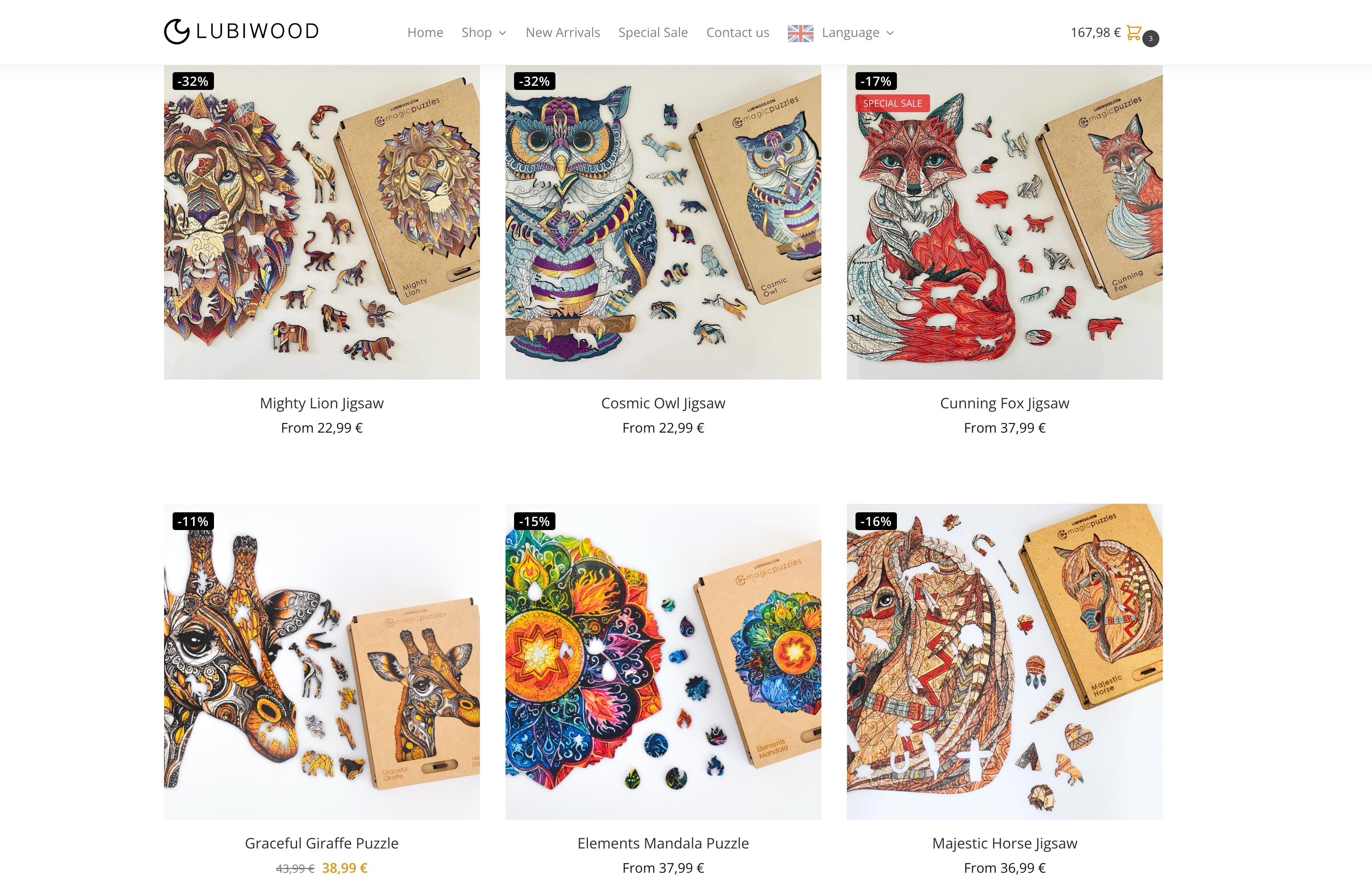
Discover handcrafted wooden animal-shaped puzzles that combine eco-friendly materials with intricate, laser-cut designs. From playful otters to majestic wildlife, each piece is crafted to deliver both cognitive challenge and visual beauty. Browse the 3D wooden puzzles collection for sculptural designs that stand on their own, or explore the full range of wooden jigsaw puzzles to find flat designs perfect for framing. Need help choosing the right size? The wooden puzzle size guide breaks down dimensions, piece counts, and complexity levels to match your skill and display goals. Every puzzle is designed with mindful play and lasting display in mind, making them ideal for cozy evenings, thoughtful gifting, or elevating your home decor.
Frequently asked questions
Are animal-shaped puzzles difficult to assemble?
Animal-shaped puzzles can be more challenging due to tricky orientations without image guides, making spatial reasoning essential. Start with simpler designs if you’re new to this format.
Is there evidence that animal-shaped puzzles help with relaxation?
Expert insights and user feedback highlight that whimsical shapes aid stress relief, and wooden puzzles reduce cortisol by 20 percent during assembly. The tactile nature of wood enhances mindfulness benefits.
Can animal-shaped puzzles be used as decor?
Yes, their artistic designs and wood finishes make them ideal for display as decorative home accents. The organic forms blend entertainment and decorative appeal, functioning as freestanding art once completed.
What age group are animal-shaped puzzles ideal for?
They’re available for kids and adults, with complexity tailored to skill level and interests. Parents note hours of play and skill gains across all ages, from toddlers to seniors.
How do I choose between painted and natural wood finishes?
Painted finishes add vibrant color and detail, ideal for children’s rooms or bold decor. Natural wood grain offers timeless elegance and blends with minimalist or rustic interiors. Consider your existing aesthetic and whether you want the puzzle to stand out or complement your space.
