




Blog
Step-by-step artistic puzzle display guide for home decor


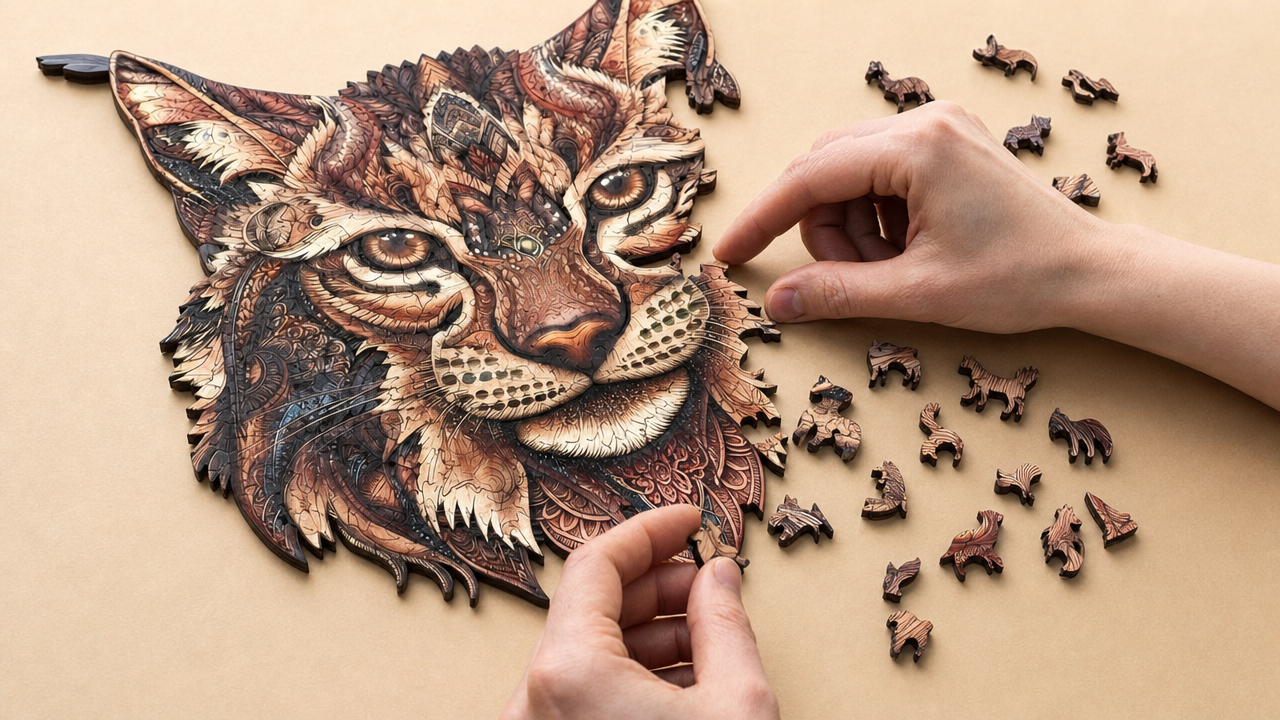
Completing a beautiful wooden puzzle and then sliding it back into its box feels like finishing a painting and locking it in a drawer. These puzzles deserve better. Artistic wooden puzzles, sourced from eco-friendly FSC-certified hardwoods, carry real craftsmanship in every laser-cut piece, making them natural candidates for wall art, shelf displays, and heartfelt gifts. Whether you’re decorating your living room, planning a meaningful present, or simply craving a creative project with lasting results, this guide walks you through every step, from choosing the right puzzle to mounting a display that earns genuine compliments.
Table of Contents
- Choosing and preparing your artistic wooden puzzle
- Understanding puzzle mechanics and assembly: jigsaw and 3D
- Crafting a lasting display: framing, mounting, and advanced tips
- Troubleshooting, maintenance, and maximizing display impact
- Why artistic wooden puzzles redefine meaningful decor
- Find your next artistic wooden puzzle with Lubiwood
- Frequently asked questions
Key Takeaways
| Point | Details |
|---|---|
| Eco-friendly craftsmanship | Choosing FSC-certified hardwoods ensures lasting, sustainable puzzle displays. |
| Step-by-step assembly | Use sorting, edge-first techniques, and numbered instructions for flawless jigsaw or 3D builds. |
| Decor that lasts | Framing, mounting, and lighting transform puzzles into standout pieces for home or gifting. |
| Troubleshooting tips | Following expert advice prevents warping, false fits, and helps maintain puzzles over time. |
| Meaningful gifting | Artistic wooden puzzles offer both sentimental and eco-conscious value as memorable gifts. |
Choosing and preparing your artistic wooden puzzle
The foundation of a stunning display starts long before the first piece is placed. Choosing the right puzzle means thinking about where it will live, who will assemble it, and what story you want it to tell.
Wood type matters more than most people realize. Wooden puzzles are crafted from sustainable FSC-certified woods like birch and linden, typically 3 to 4mm thick. Birch offers a clean, light grain that photographs beautifully under warm lighting. Walnut delivers a richer, darker tone that suits modern or rustic interiors. Maple sits in between, with a subtle grain that lets the printed artwork shine. For gifting, linden is a popular choice because it’s lightweight yet durable enough to handle years of display.
Artistic styles vary widely, and that variety is part of the appeal. Nature scenes, fantasy landscapes, and whimsy-shaped pieces (think puzzle pieces cut into birds, leaves, or tiny animals) all suit different rooms and personalities. Whimsy pieces add visual delight during assembly and become conversation starters once framed. For eco-friendly decor ideas, nature-themed designs pair especially well with reclaimed wood frames and botanical surroundings.
Before you begin, gather your essentials:
- A flat, clean surface with good overhead lighting
- Puzzle adhesive sheets or a puzzle saver solution
- A frame sized to your puzzle’s finished dimensions
- For 3D puzzles: a display stand, LED strip lighting, or a decorative vase base
- Soft gloves for handling delicate whimsy pieces
Pro Tip: Measure your wall space before purchasing. A 500-piece puzzle typically finishes around 19 x 27 inches, while a 200-piece puzzle fits closer to 12 x 17 inches. Knowing this upfront saves you from buying a frame that doesn’t fit.
For family projects or gifting, consider piece count and complexity. Younger children thrive with 100 to 200 pieces and bold imagery. Adults who appreciate premium handcrafted puzzles often prefer 500 pieces or more with intricate, layered artwork. Heirloom-quality pieces, especially those laser-cut from premium hardwoods, can be assembled, displayed, disassembled, and reassembled without losing their fit or finish.
Understanding puzzle mechanics and assembly: jigsaw and 3D
Knowing how your puzzle is built changes how you approach assembly. Flat jigsaw puzzles and 3D wooden models follow different logic, and understanding each one helps you work faster and smarter.
For classic jigsaw assembly, follow these steps:
- Sort all pieces face-up on your surface before touching a single one.
- Separate edge pieces first and build the border of the puzzle.
- Group interior pieces by dominant color, pattern, or texture.
- Use the reference poster or box image as a guide, but don’t rely on it constantly. Train your eye to recognize shapes.
- Work in sections, completing one area before moving to another.
- Handle whimsy pieces last. They’re the most satisfying to place and the easiest to force incorrectly.
Jigsaw puzzles use laser-cut whimsies and edge pieces, while 3D models rely on numbered slots for glue-free assembly. That distinction is key. With 3D puzzles, you’re essentially building a sculpture, and the numbered slot system means you never need adhesive. Each tab locks into its corresponding groove with satisfying precision.
| Feature | Flat jigsaw puzzle | 3D wooden puzzle |
|---|---|---|
| Assembly method | Color and shape sorting | Numbered slot sequence |
| Glue required | Optional (for display) | No |
| Display format | Framed wall art | Freestanding sculpture |
| Best for | Wall decor, gifting | Shelf display, gifting |
| Difficulty range | Beginner to expert | Intermediate to advanced |
For a detailed puzzle display step-by-step approach, keep your workspace dust-free. Dust settles into the laser-cut grooves and can make pieces feel like they don’t fit when they actually do.
“The most common mistake in 3D puzzle assembly is skipping ahead in the numbered sequence. Each piece supports the next, so patience isn’t just a virtue here, it’s structural.”
Pro Tip: For flat puzzles, photograph your completed design before applying any adhesive. If a piece ever shifts during the gluing process, you’ll have a reference to restore the layout perfectly.
For those interested in framing wooden puzzles after assembly, the laser-cutting process used in premium puzzles ensures clean, uniform edges that sit flush inside standard frames without gaps or lifting.
Crafting a lasting display: framing, mounting, and advanced tips
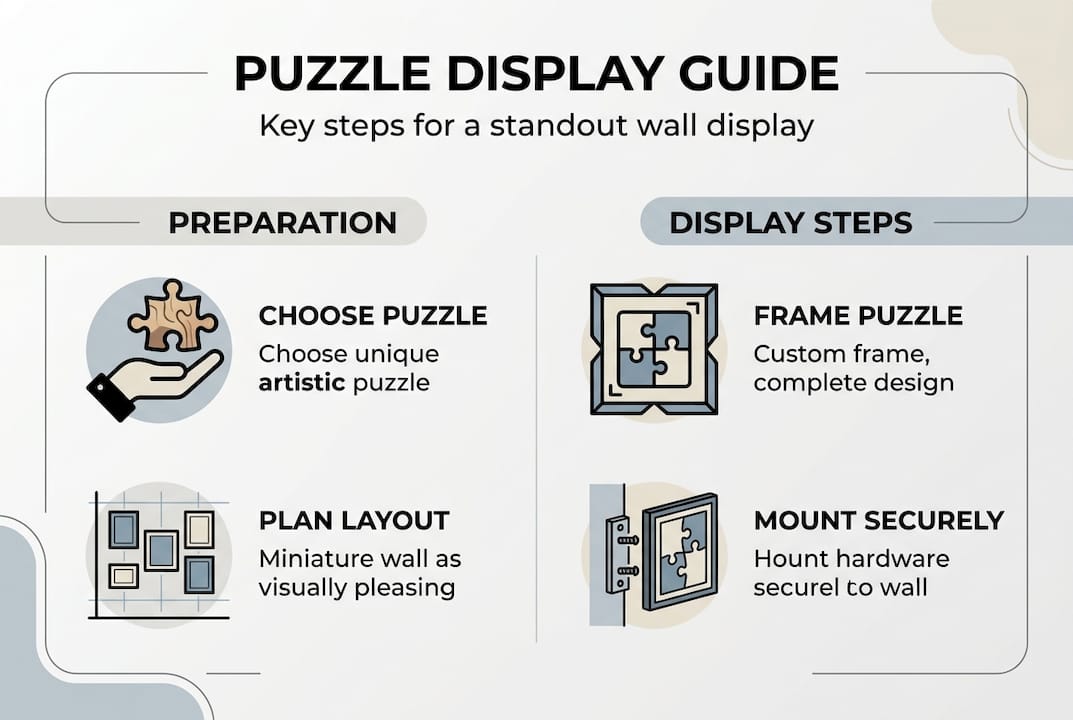
Assembly is the journey. Display is the destination. Turning your completed puzzle into permanent wall art or a sculptural centerpiece takes a few deliberate steps, but the result is genuinely impressive.
Framing options for flat jigsaw puzzles:
- Adhesive puzzle sheets: Roll the sheet under the completed puzzle, press firmly, let it cure for 24 hours, then transfer to a frame. This is the most beginner-friendly method.
- Traditional glass frames: Slide the puzzle into a pre-sized frame with a backing board. No adhesive needed, but the puzzle must be handled as one unit.
- Floating frames: These suspend the puzzle slightly away from the backing, creating a shadow effect that adds depth and dimension to the artwork.
- Canvas transfer: For truly archival results, some puzzle enthusiasts transfer their completed design to a stretched canvas using puzzle glue as a sealant.
Wooden puzzles are durable and ideal for wall hanging or LED-lit displays, with premium laser-cuts maintaining sharp detail even after repeated handling. That durability means you can rotate seasonal displays without worrying about wear.
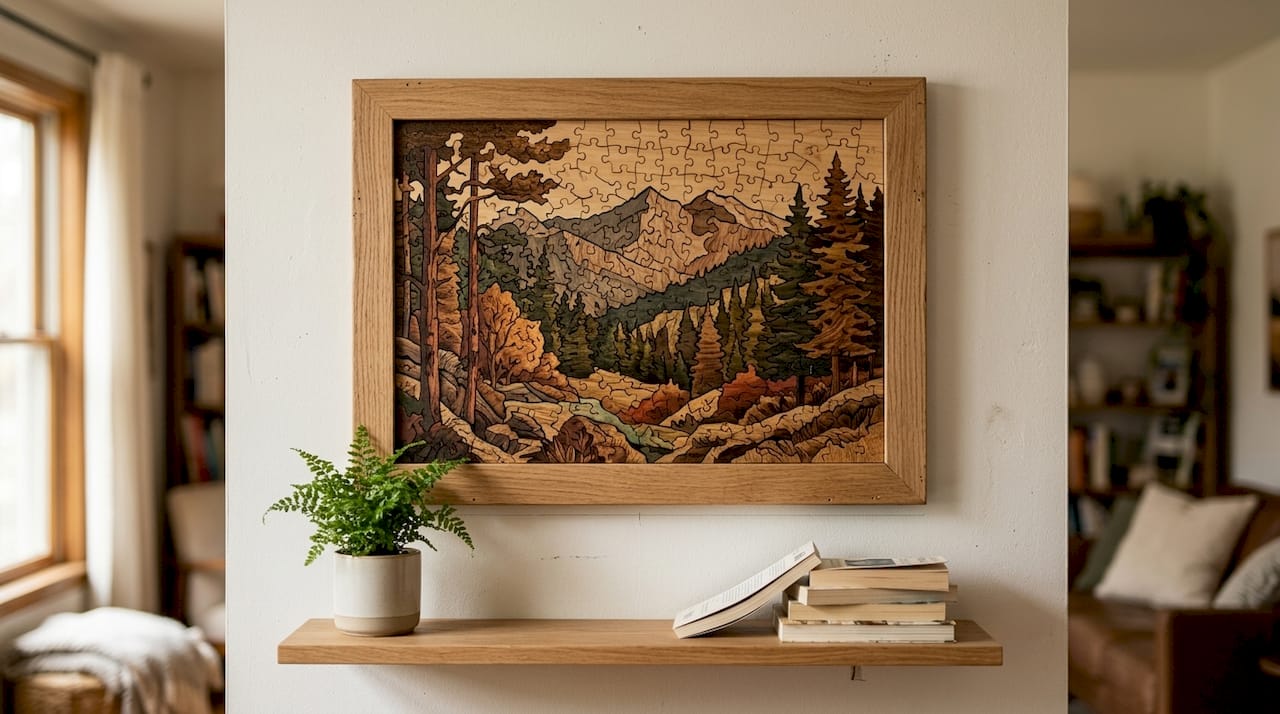
For 3D wooden puzzles, display options open up beautifully. A completed wooden sculpture looks striking on a floating shelf with a small LED strip tucked beneath it. Some designs, like floral 3D puzzles, fit naturally inside a glass vase or lantern. Others work as standalone centerpieces on a dining table or bookshelf. Explore the Tree of Life display inspiration for a sense of how dramatic a well-placed 3D puzzle can look in a real home setting.
Pro Tip: Rotate your puzzle displays seasonally. A forest scene suits autumn; a floral design brightens spring. Use removable picture-hanging strips so swapping is effortless and wall-friendly.
For eco-conscious mounting, look for reclaimed wood frames and water-based, non-toxic adhesives. These choices align with the sustainable spirit of the puzzle itself and make for a display you can feel good about from every angle. Check out our framing advice and displaying jigsaw puzzles guides for more detailed options. For long-term care, the guide on preserving handcrafted puzzles covers sealants and archival methods worth bookmarking.
Troubleshooting, maintenance, and maximizing display impact
Even the most carefully assembled puzzle can run into problems. Knowing what to watch for keeps your display looking sharp for years.
Common issues and how to fix them:
- False fits: A piece that looks right but isn’t. This happens most with similarly colored sections. If a piece requires force, it’s wrong. Premium laser-cut puzzles have tight tolerances, so trust the fit.
- Fragile whimsy pieces: Handle these with clean, dry hands. The intricate shapes are beautiful but can snap under pressure if forced.
- Warping during display: Premium wooden puzzles have tight tolerances and are dust-free but may warp if lower-quality woods are used. Keep displays away from exterior walls, heating vents, and bathrooms.
- Missing pieces: Before framing, do a final count. Store any extra pieces in a labeled envelope taped to the back of the frame.
- Fading artwork: UV-protective glass or acrylic covers prevent sun damage to the printed surface over time.
Maintenance habits that extend display life:
- Dust framed puzzles monthly with a soft, dry microfiber cloth
- Avoid hanging displays in rooms with high humidity fluctuations
- For unframed 3D displays, a light coat of clear matte sealant protects the wood grain
- Store unassembled puzzles in their original box in a cool, dry place to preserve piece integrity
“The difference between a puzzle that lasts five years and one that lasts fifty is almost entirely about humidity control and wood quality. Choose well from the start.”
For maximizing visual impact, lighting is everything. Warm LED spotlights make wood grain glow. Natural light from a north-facing window (indirect and consistent) keeps colors true without fading. Layering a framed puzzle above a console table with a small plant and a candle creates a styled vignette that feels intentional and personal.
For thoughtful eco-conscious gifting tips and ideas on presenting artistic eco-friendly gifts, pairing a puzzle with a handwritten display guide makes the gift feel complete. For advanced 3D builders, 3D puzzle crafting tips offer scroll-saw inspired techniques that elevate the finished result.
Why artistic wooden puzzles redefine meaningful decor
Most home decor is purchased, unwrapped, and placed. Wooden puzzle displays are built, and that difference matters more than people expect.
Conventional frames hold photographs or prints. They’re passive. A framed wooden puzzle holds hours of focus, the memory of a quiet afternoon, the satisfaction of a final piece clicking into place. That emotional layer is invisible to a visitor but felt by the person who made it. It’s why these displays generate more genuine conversation than anything bought off a shelf.
There’s also something worth saying about sustainability. Wooden puzzles uniquely combine heirloom quality and eco-focus, resonating with modern sustainable gifting trends. Choosing FSC-certified wood over plastic-based alternatives isn’t just an environmental preference. It’s a values statement built into your home.
We believe the step-by-step approach to puzzle display, choosing thoughtfully, assembling carefully, and mounting with intention, mirrors the broader shift toward mindful living. It slows things down in the best possible way. Explore handcrafted puzzling ideas for more ways to bring that intentionality into your everyday space.
Find your next artistic wooden puzzle with Lubiwood
If this guide has sparked the urge to start a display of your own or find a gift that genuinely stands out, Lubiwood is exactly where to begin. Every puzzle in our collection is laser-cut from premium, eco-friendly wood, designed to be both a satisfying build and a beautiful object worth keeping.
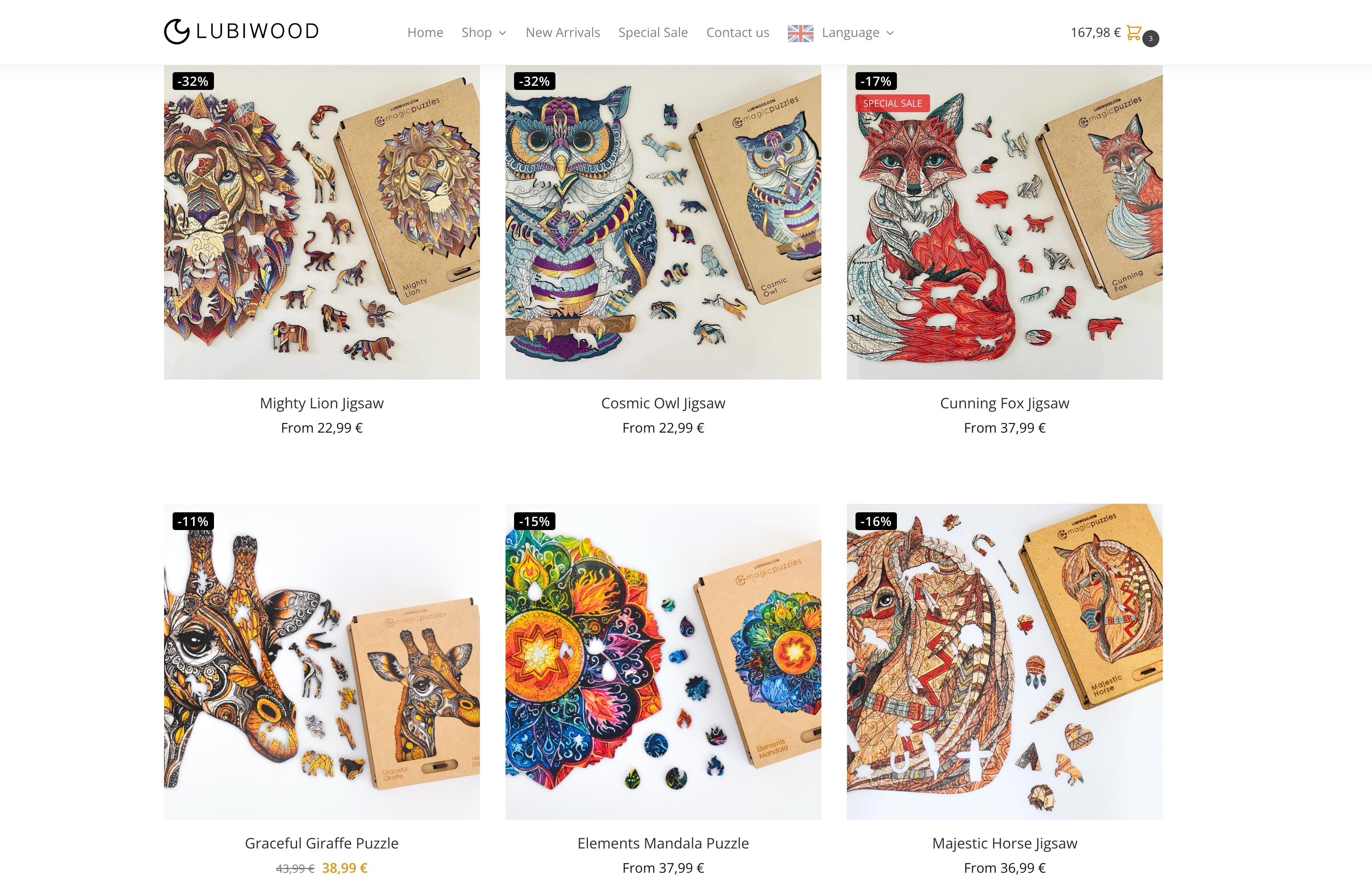
Browse our 3D wooden puzzle collection for sculptural display pieces that transform any shelf or table into a focal point. Or explore our wooden jigsaw puzzle selection to find the perfect flat puzzle for framing, gifting, or a cozy weekend project. Each puzzle ships ready to assemble, with the craftsmanship and material quality to make your display last for years.
Frequently asked questions
What materials are best for artistic wooden puzzle displays?
Artistic wooden puzzles are crafted from sustainable hardwoods for heirloom quality. FSC-certified birch, maple, or linden wood offers long-lasting durability and eco-friendly appeal that suits both display and gifting.
How do I prevent wooden puzzle pieces from warping during display?
Keep your puzzle display away from excessive humidity and direct sunlight, and use quality frames or stands. Humidity control is crucial because even premium wood can shift in unstable environments.
Can I reuse or replay wooden puzzles after framing or mounting?
Yes, if you use removable adhesives or magnetic frames; permanent mounting will limit replayability. Premium cuts enhance replayability without wear, so the puzzle holds its shape through multiple assemblies.
Are 3D wooden puzzles suitable for young children or gifting?
Choose simpler 3D designs for children; premium kits make excellent gifts due to their craftsmanship and eco-friendly features. Families tend to prefer whimsy-free designs for kids and craftsmanship-focused options for gifting occasions.
How long does it take to assemble artistic wooden puzzles?
Assembly takes 2 to 3 hours for most 200 to 500 piece jigsaw or 3D puzzles. Larger or more intricate designs with detailed whimsy pieces may take longer depending on experience level.