
Most people assume all jigsaw puzzles deliver the same experience, but standard puzzle shapes can actually diminish your enjoyment and limit the meditative benefits you seek. Handcrafted wooden puzzles with unique, irregular piece shapes transform puzzling from a simple pastime into a tactile art form that enhances relaxation, fits eco-friendly lifestyles, and doubles as stunning home decor. This guide reveals why puzzle shapes matter to artistic and mindful enthusiasts who value quality craftsmanship and intentional leisure.
Table of Contents
- The Craftsmanship Behind Unique Puzzle Shapes
- How Puzzle Piece Shapes Create A Tactile And Sensory Experience
- Why The Absence Of Box Images Matters For Mindfulness And Challenge
- Applying Puzzle Shape Insights To Mindful Gifting And Home Decor
- Explore Handcrafted Wooden Puzzles At Lubiwood
- Frequently Asked Questions
Key takeaways
| Point | Details |
|---|---|
| Unique shapes boost engagement | Irregular pieces and whimsies create deeper challenge and satisfaction than standard cuts. |
| Precision fit enhances tactile joy | Expert interlocking allows you to lift completed sections without pieces falling apart. |
| No reference image deepens mindfulness | Solving without a box picture encourages intuitive, meditative puzzle assembly. |
| Dual purpose as art and gift | Handcrafted puzzles serve as eco-friendly presents and frameable decor pieces. |
The craftsmanship behind unique puzzle shapes
Mass-produced cardboard puzzles rely on repetitive die-cut patterns that create predictable piece shapes. After a few sessions, your brain recognizes these standard configurations, reducing the cognitive challenge and sensory engagement that make puzzling rewarding. Handcrafted wooden puzzles break this monotony through artisan techniques that produce truly one-of-a-kind pieces.
Artisans who create hand-cut wooden puzzles use precision tools to craft irregular shapes and incorporate whimsies, which are specially shaped pieces that resemble recognizable objects like animals, flowers, or geometric patterns. These playful elements add visual interest and increase difficulty because you cannot rely on standard corner and edge identification strategies. Hand-cut wooden puzzles offer enhanced challenge through these irregular piece shapes and whimsies, leading to measurably higher engagement.
The craftsmanship extends beyond mere cutting. Each piece receives individual attention during production, with edges smoothed and surfaces finished to create a premium tactile experience. This level of detail transforms puzzles from disposable entertainment into lasting artworks worthy of display. Understanding puzzle piece intricacy helps you appreciate the skill required to achieve this quality.
Pro Tip: When selecting a handcrafted wooden puzzle, examine product descriptions for mentions of whimsies or themed shapes. These features indicate higher difficulty levels and more satisfying assembly experiences that reward patient, mindful puzzling.
The difference between machine-cut and hand-cut approaches becomes apparent the moment you handle the pieces. Machine cuts follow algorithms designed for efficiency and cost reduction, creating uniform thickness and predictable interlocking mechanisms. Hand-cut pieces vary slightly in thickness and fit, requiring more attention during assembly but delivering greater satisfaction when pieces click perfectly into place. This variability actually enhances the meditative quality of puzzling because you must stay present and engaged with each connection.
Expert puzzle makers emphasize that irregular shapes force puzzlers to observe color gradients, pattern details, and subtle visual cues rather than relying on piece shape alone. This heightened observation naturally induces a flow state similar to meditation or mindful drawing. The custom puzzle design workflow reveals how designers intentionally create these challenges to maximize cognitive and emotional benefits.
“The irregular cuts and whimsies in hand-cut wooden puzzles create a uniquely challenging experience that standard jigsaws cannot match, transforming puzzle assembly into an immersive, tactile art form.” – Wooden Puzzle Craftsmanship Review
How puzzle piece shapes create a tactile and sensory experience
The physical sensation of assembling a wooden puzzle differs dramatically from working with cardboard pieces. Wooden pieces have noticeable heft that provides satisfying feedback when you pick them up, rotate them, and test potential connections. This tangible weight engages your sense of touch in ways that lightweight cardboard cannot, creating a more embodied and grounding activity.
Precision laser cutting or hand cutting ensures that wooden pieces interlock with exactness. When a piece fits correctly, you feel and often hear a subtle click as it settles into position. This immediate tactile feedback creates micro-moments of satisfaction throughout the assembly process, releasing small dopamine rewards that make puzzling genuinely relaxing rather than frustrating. The smooth finish of quality wooden pieces adds another sensory dimension, as your fingertips glide across surfaces free from the rough texture common in cardboard alternatives.
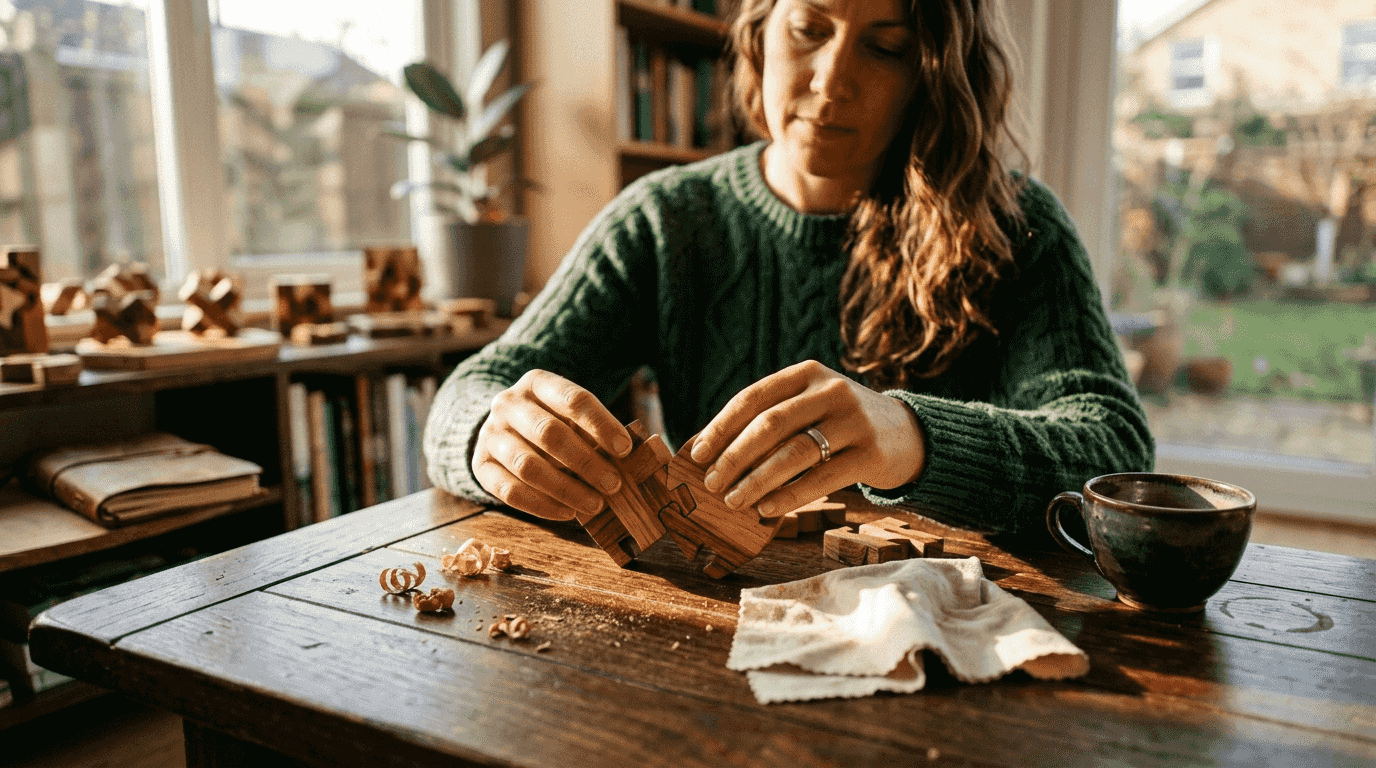
One remarkable feature of well-crafted wooden puzzles is structural integrity. Precise interlocking allows lifting completed puzzles without pieces falling apart, which cardboard puzzles rarely achieve. This stability means you can move sections during assembly, show progress to friends, or transport finished works for framing without anxiety about losing your progress.
Pro Tip: Test puzzle quality by gently lifting a completed corner section. Premium wooden puzzles should hold together firmly, indicating excellent cutting precision and thoughtful design that enhances both assembly enjoyment and long-term durability.
The sensory experience extends to visual and auditory dimensions as well. Natural wood grain creates subtle color variations that catch light differently than printed cardboard, adding depth to finished images. The gentle sound of wooden pieces connecting provides auditory feedback that reinforces the meditative rhythm of puzzling. These multi-sensory elements combine to create what psychologists call embodied cognition, where physical sensations enhance mental processing and emotional satisfaction.
Mindful puzzlers particularly appreciate how wooden pieces encourage slower, more deliberate assembly. The weight and quality demand respect and attention, naturally discouraging the rushed, competitive approach that sometimes diminishes puzzling’s relaxation benefits. Understanding intricate puzzle design craftsmanship reveals how makers intentionally create these qualities to support mindful leisure.
Physical characteristics also contribute to puzzle longevity. Wooden pieces resist bending, tearing, and moisture damage that degrades cardboard over time. This durability means your investment provides years of repeated enjoyment, aligning with sustainable consumption values. The tactile pleasure remains consistent across multiple assemblies, whereas cardboard pieces often become loose and less satisfying after just a few uses.
Research in haptic psychology demonstrates that meaningful tactile experiences reduce stress hormones and promote relaxation responses. The combination of weight, texture, precision fit, and structural stability in wooden puzzles maximizes these benefits, making them superior tools for stress relief and mindful downtime compared to their cardboard counterparts.
Why the absence of box images matters for mindfulness and challenge
Most commercial puzzles print the completed image prominently on the box, providing constant reference during assembly. While this approach reduces difficulty, it also diminishes the meditative and creative aspects that make puzzling truly rewarding for artistic individuals. Elms Puzzles deliberately exclude puzzle images on packaging to increase challenge and promote mindful engagement.
Puzzling without a reference image transforms the activity from pattern matching into intuitive problem solving. You must observe color relationships, texture patterns, and compositional flow rather than simply replicating a visible picture. This approach engages different cognitive processes, particularly spatial reasoning and visual memory, creating a richer mental workout that enhances the sense of accomplishment upon completion.
The absence of a guide image encourages what mindfulness practitioners call beginner’s mind, where you approach each piece with fresh curiosity rather than predetermined expectations. This openness to discovery mirrors meditation practices and naturally induces the relaxed focus state that reduces anxiety and promotes wellbeing. You become fully present with the puzzle rather than rushing toward a known endpoint.
Benefits of image-free puzzling include:
- Enhanced focus as you cannot rely on visual shortcuts or reference checking
- Deeper sensory immersion in colors, textures, and piece shapes themselves
- Freshness of experience with each assembly, as memory fades between sessions
- Increased satisfaction upon completion, having solved a genuine mystery
Mindfulness advantages when puzzling without reference:
- Forces present-moment awareness as each piece requires full attention
- Reduces performance anxiety since there is no “correct” speed or method
- Encourages acceptance of uncertainty and comfort with not knowing
- Builds patience and persistence through genuine challenge
- Creates natural breaks for reflection as you pause to assess progress
This methodology aligns perfectly with eco-friendly, mindful lifestyles that prioritize quality experiences over quick consumption. The challenge level keeps you engaged for longer periods, maximizing the relaxation and cognitive benefits per puzzle. Exploring eco-friendly puzzle gifts reveals how this approach fits broader intentional living values.
Artistic individuals particularly appreciate how image-free puzzling mimics the creative process itself. Just as painters build compositions gradually without constant reference to finished works, puzzlers develop visual understanding piece by piece. This parallel makes wooden puzzles especially appealing to those who value creative expression and artistic appreciation in their leisure activities.
The learning curve for image-free puzzling is steeper initially, but the skills you develop, like color discrimination and pattern recognition, transfer to other areas of life. Many puzzlers report that after adapting to this method, traditional reference-based puzzles feel too easy and less engaging, demonstrating how challenge enhances rather than diminishes enjoyment when properly calibrated.
Applying puzzle shape insights to mindful gifting and home decor
Understanding what makes puzzle shapes matter helps you select gifts that truly resonate with artistic and mindful recipients. Handcrafted wooden puzzles occupy a unique niche between functional entertainment and decorative art, making them ideal for people who value both aesthetics and meaningful experiences.
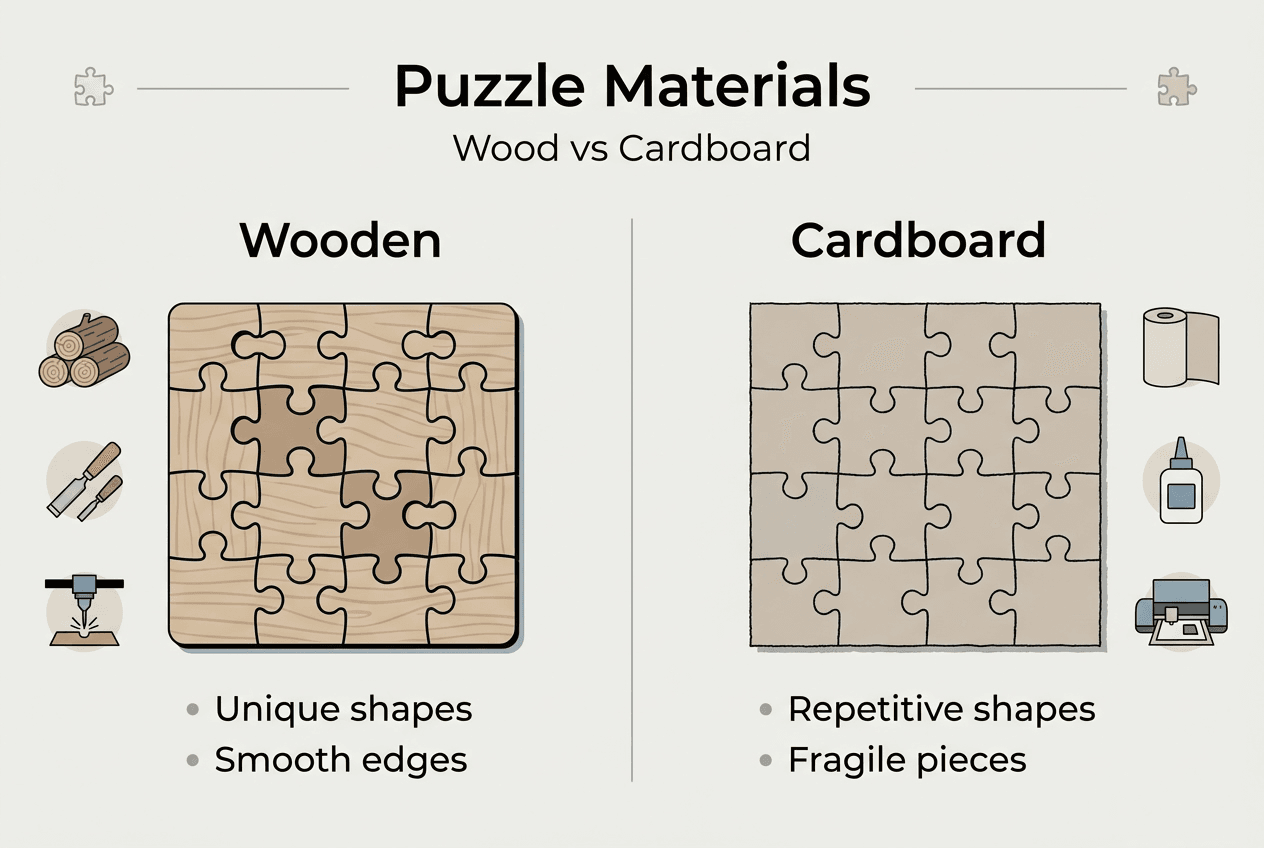
| Feature | Handcrafted Wooden Puzzles | Standard Cardboard Jigsaws |
|---|---|---|
| Materials | Sustainable wood with natural grain | Recycled cardboard with printed coating |
| Challenge Level | High due to irregular shapes and whimsies | Moderate with predictable piece patterns |
| Decor Potential | Frameable art pieces with lasting beauty | Temporary entertainment, rarely displayed |
| Eco Benefits | Durable, reusable, biodegradable materials | Single-use focus, limited longevity |
| Price Range | Premium reflecting craftsmanship | Budget-friendly mass production |
The unique shapes and artisan quality of wooden puzzles elevate them beyond typical games into the realm of collectible art. Completed puzzles showcase both the original artwork and the craftsmanship of the cutting, creating two layers of aesthetic appreciation. This dual nature justifies higher price points reflecting craftsmanship and materials, aligning with luxury gift expectations among mindful buyers.
Ideal gifting occasions for handcrafted wooden puzzles:
- Holiday celebrations where quality and thoughtfulness matter most
- Relaxation and self-care gifts for stressed friends or family
- Eco-conscious presents for environmentally aware recipients
- Art lovers who appreciate fine craftsmanship and design
- Milestone celebrations requiring memorable, lasting keepsakes
Pro Tip: Consider framing completed wooden puzzles to preserve the artwork and showcase the unique piece shapes. This transforms your puzzle into permanent wall decor that celebrates both the image and the craftsmanship, maximizing your investment while creating conversation-starting art.
The wooden puzzle framing guide provides detailed instructions for preservation and display. Framed puzzles work beautifully in living rooms, bedrooms, and creative spaces, adding warmth through natural wood tones and visual interest through intricate designs. Unlike mass-produced wall art, each framed puzzle represents hours of mindful engagement, imbuing your decor with personal meaning and accomplishment.
When selecting puzzles as gifts, consider the recipient’s aesthetic preferences and skill level. Beginners may appreciate puzzles with 200 to 500 pieces featuring clear color differentiation, while experienced puzzlers enjoy 1000-plus piece challenges with subtle gradients and complex whimsies. The special qualities of Lubiwood puzzles demonstrate how thoughtful design serves various skill levels while maintaining premium quality.
The gift-giving aspect extends to presentation as well. Wooden puzzles typically arrive in attractive packaging that emphasizes craftsmanship and sustainability, eliminating the need for additional wrapping in many cases. This eco-friendly presentation aligns with the values of conscious consumers who appreciate minimal waste and thoughtful design in every aspect of their purchases.
For home decor purposes, consider how puzzle imagery complements existing aesthetics. Nature scenes, geometric patterns, and abstract art translate beautifully to wooden puzzles and coordinate with minimalist, bohemian, or modern decor styles. The natural wood material adds organic texture that softens contemporary spaces while the precision cutting demonstrates the technical excellence appreciated in modern design.
Explore handcrafted wooden puzzles at Lubiwood
Now that you understand why puzzle shapes transform the puzzling experience, explore Lubiwood’s collection of handcrafted wooden puzzles featuring unique, irregular shapes and delightful whimsies. Each puzzle combines artisan craftsmanship with eco-friendly materials, creating perfect gifts for artistic individuals and mindful enthusiasts who value quality and sustainability.
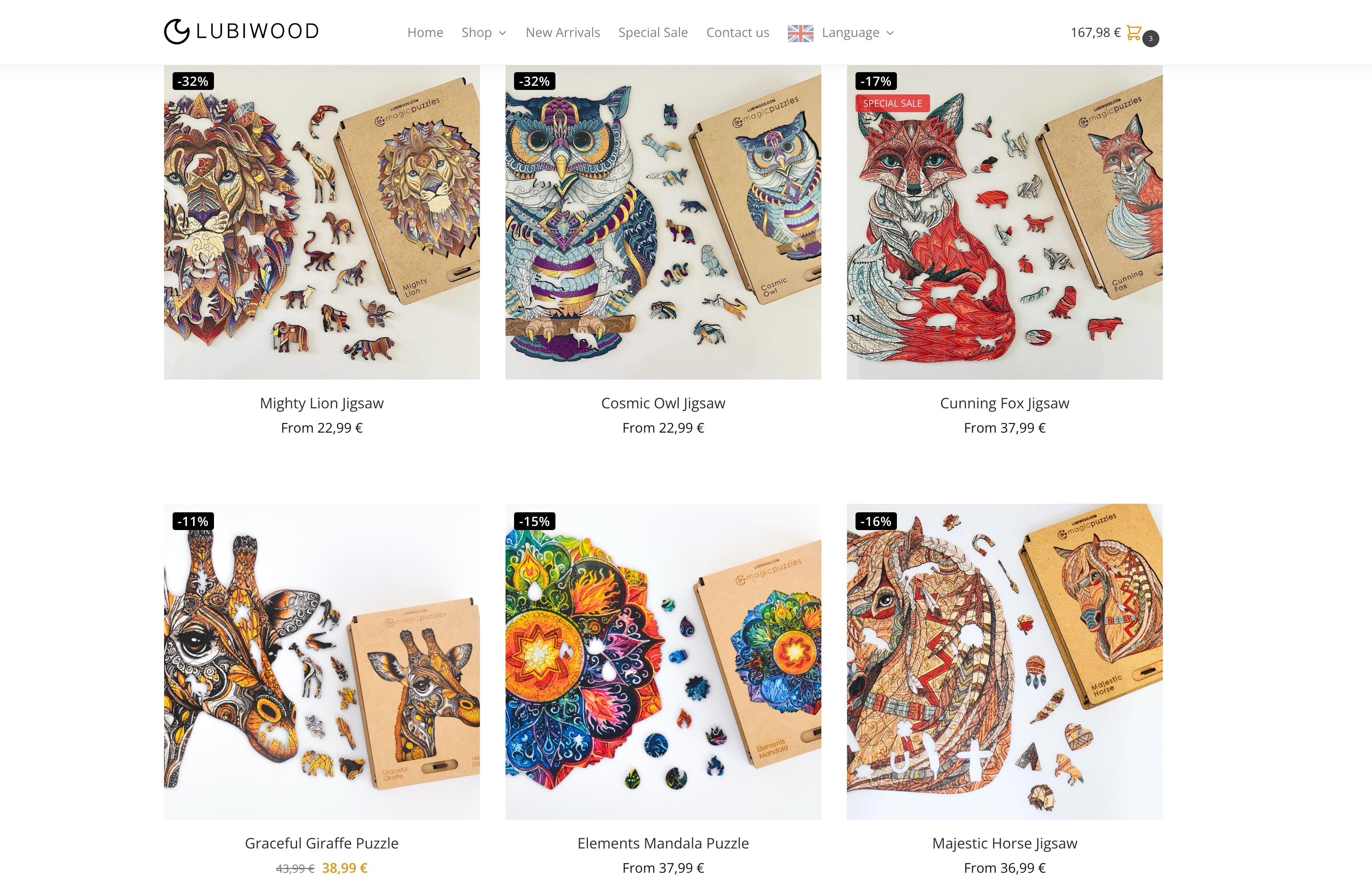
Discover wooden jigsaw puzzles for classic relaxation or explore 3D wooden puzzles for added tactile dimension. Every piece is laser-cut from premium wood, ensuring the precise interlocking and satisfying weight that elevate your puzzling sessions into meditative art experiences.
Reasons to choose Lubiwood puzzles:
- Artisanal craftsmanship with attention to unique piece shapes
- Superior tactile experience through quality materials and precision cutting
- Sustainable wood sourced responsibly for eco-conscious buyers
- Designs that function as both entertainment and frameable decor
Browse the best handcrafted puzzles collection for curated options that showcase exceptional design and cutting techniques. Whether you are treating yourself to mindful relaxation or selecting a meaningful gift, Lubiwood’s handcrafted wooden puzzles deliver the quality and experience that standard puzzles cannot match.
Frequently asked questions
Why are handcrafted puzzle pieces irregular?
Irregular shapes and whimsies add genuine challenge by preventing reliance on standard piece identification strategies. This variability enhances tactile engagement and makes each assembly more rewarding than predictable machine-cut patterns.
Do wooden puzzles really feel different?
Absolutely. Wooden puzzles have satisfying weight and smooth texture that heighten sensory pleasure during assembly. The precision fit creates tactile feedback that cardboard pieces cannot replicate, making the experience more grounding and meditative.
Is the lack of a box image difficult?
Initially yes, but this challenge encourages mindfulness and deeper focus on color, pattern, and composition. Most puzzlers find that image-free assembly becomes more satisfying once they adapt, as it creates genuine discovery and accomplishment.
Can these puzzles be used as decorations?
Definitely. Many wooden puzzles are designed as frameable artworks showcasing both the original image and cutting craftsmanship. Completed puzzles make stunning wall decor that celebrates your mindful effort and artistic taste.
Are wooden puzzles eco-friendly gifts?
Yes. Quality wooden puzzles use sustainable materials and durable construction favored by eco-conscious buyers. Their longevity and reusability align with intentional consumption values, making them meaningful alternatives to disposable entertainment options.
