




Blog
What are specialty puzzles? A 2026 guide for enthusiasts

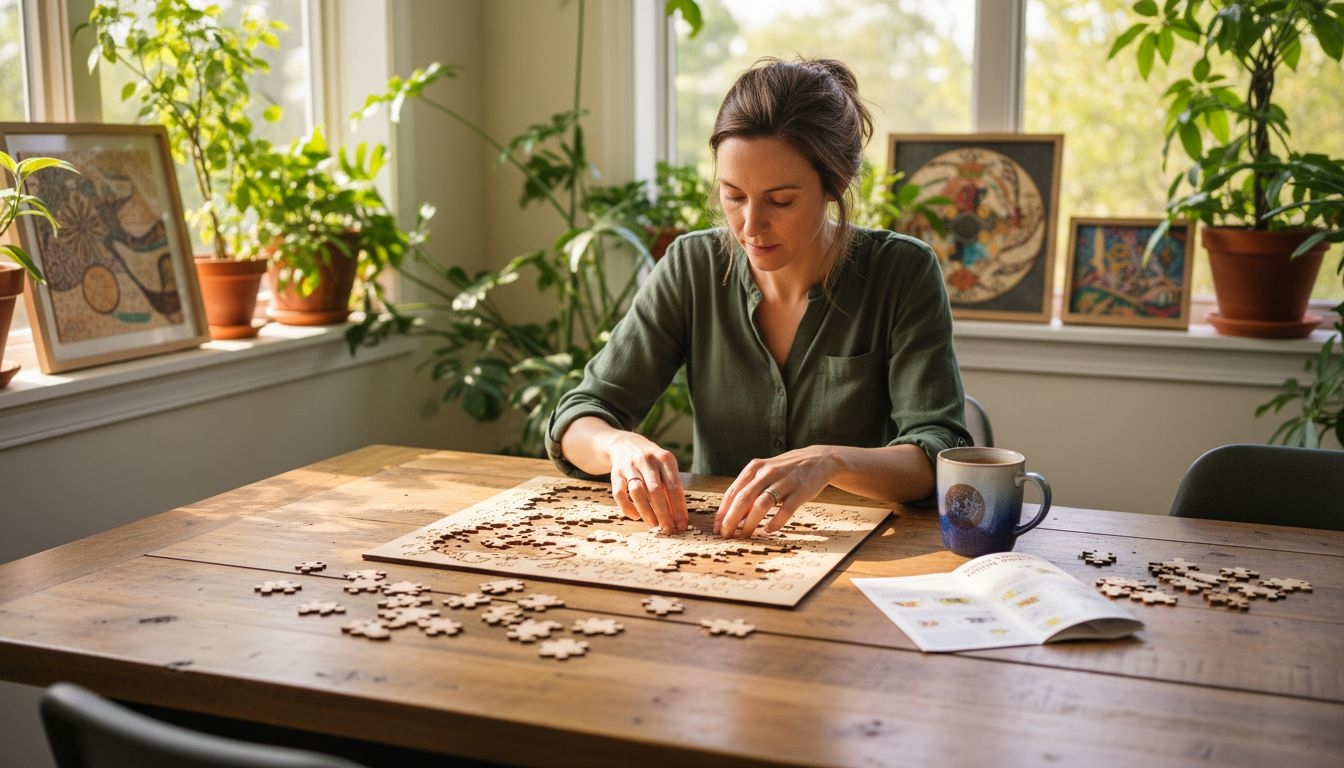
Many people assume puzzles are simple pastimes meant for children, but specialty puzzles challenge that notion entirely. These handcrafted creations blend artistic design, premium materials, and thoughtful craftsmanship to deliver experiences far beyond typical cardboard jigsaws. Specialty puzzles cater to adults seeking relaxation, collectors valuing unique art, and gift-givers wanting meaningful presents. They combine mental engagement with aesthetic appeal, transforming puzzle solving into a mindful activity and finished pieces into displayable decor. This guide explores what defines specialty puzzles, their types, benefits, and how to select and care for them in 2026.
Table of Contents
- What Defines Specialty Puzzles And Their Unique Features
- Types Of Specialty Puzzles: Wooden Jigsaws, 3D Puzzles, And More
- Benefits Of Specialty Puzzles For Relaxation, Skill-Building, And Decor
- How To Select And Care For Specialty Puzzles For Longevity And Display
- Explore Lubiwood’s Specialty Wooden Puzzles Collection
- Frequently Asked Questions
Key takeaways
| Point | Details |
|---|---|
| Specialty puzzles emphasize craftsmanship | Handcrafted from premium wood with laser-cut precision and artistic themes that distinguish them from mass-produced options. |
| Eco-friendly materials matter | Sustainably sourced wood and non-toxic finishes appeal to environmentally conscious buyers seeking responsible products. |
| Multiple benefits beyond entertainment | They promote relaxation, build cognitive skills, encourage social interaction, and serve as elegant home decor. |
| Variety suits different preferences | Options include traditional wooden jigsaws, 3D models, and novelty designs with varying complexity levels. |
| Proper care extends longevity | Storage, framing, and gentle cleaning preserve puzzles as functional activities and lasting art pieces. |
What defines specialty puzzles and their unique features
Specialty puzzles stand apart from conventional options through deliberate craftsmanship and intentional design choices. Unlike mass-produced cardboard puzzles churned out by factories, specialty wooden puzzles emphasize artistic design and craftsmanship that transforms each piece into a miniature work of art. The distinction begins with materials: premium sustainably sourced wood replaces flimsy cardboard, offering durability and a satisfying tactile experience. Laser cutting technology creates intricate shapes that interlock with precision, while eco-friendly finishes protect the wood without harmful chemicals.
Artistic vision drives specialty puzzle creation. Designers draw inspiration from nature scenes, cultural motifs, abstract patterns, and fine art reproductions. Each image is carefully selected to create visual interest and aesthetic value worthy of display. The puzzle pieces themselves often feature unique shapes beyond standard tabs and blanks. You might encounter whimsy pieces shaped like animals, objects, or thematic elements that add surprise and delight to the solving process. This attention to detail elevates puzzles from simple entertainment to unique handcrafted puzzles that reflect genuine artistry.
Key characteristics that define specialty puzzles include:
- Premium wood construction offering durability and natural beauty
- Laser-cut precision creating tight-fitting, irregularly shaped pieces
- Artistic imagery selected for visual impact and display potential
- Eco-friendly materials and production methods
- Limited production runs enhancing collectibility
- Thoughtful packaging suitable for gifting
“The difference between a specialty puzzle and a standard puzzle is like comparing a handcrafted wooden chair to mass-produced plastic furniture. Both serve a function, but only one becomes an heirloom.”
Specialty puzzles serve dual purposes. During assembly, they provide engaging mental challenges and meditative focus. Once completed, they transform into decorative art pieces suitable for framing and display. This versatility makes them practical investments for puzzle enthusiasts who appreciate both the journey and the destination. The tactile pleasure of handling wooden pieces, combined with the satisfaction of watching an artistic image emerge, creates an experience that typical puzzles simply cannot match.
Types of specialty puzzles: wooden jigsaws, 3D puzzles, and more
The specialty puzzle market offers diverse options catering to different skill levels, interests, and display preferences. Understanding these categories helps you select puzzles that align with your goals, whether personal enjoyment, skill development, or gift-giving.
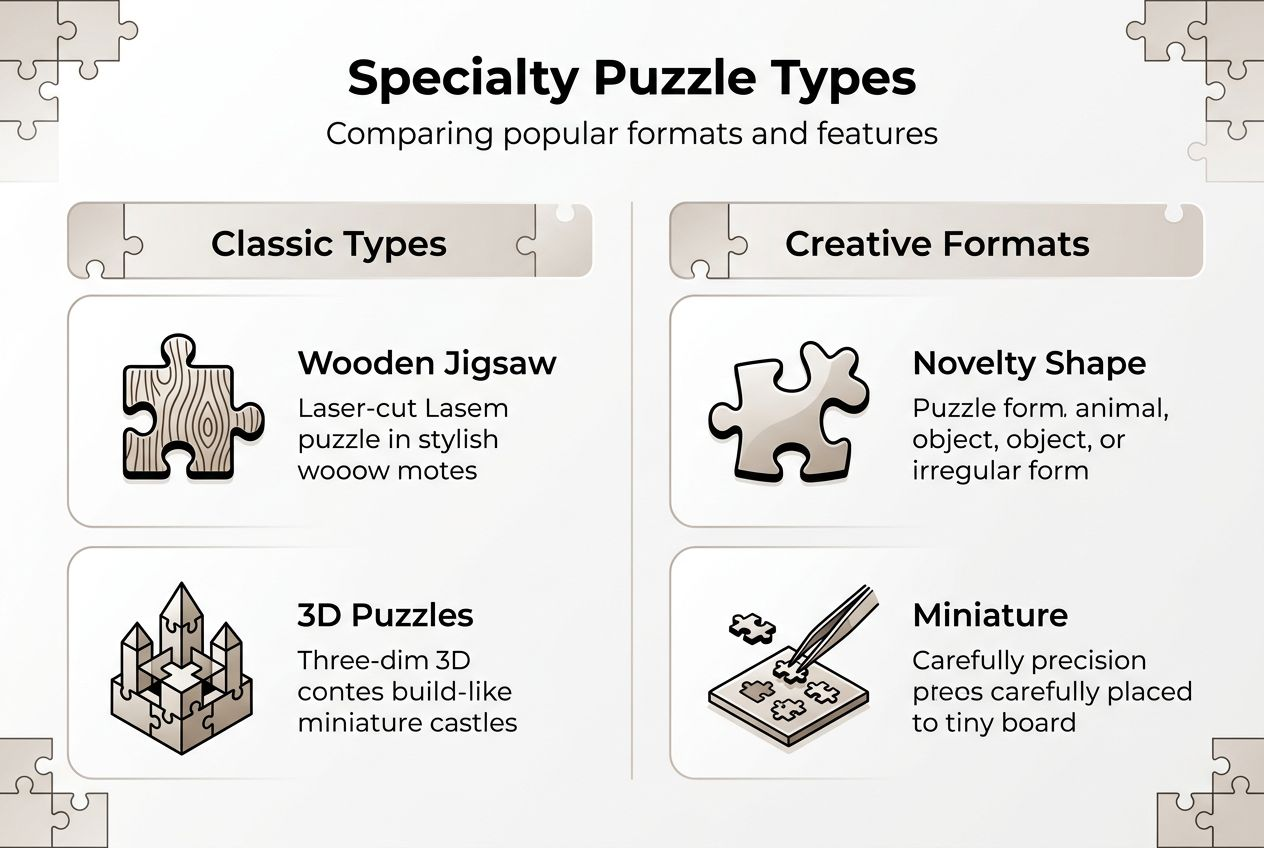
Wooden jigsaw puzzles represent the classic specialty option with elevated materials and design. These flat puzzles feature traditional jigsaw formats but use premium wood instead of cardboard. Wooden jigsaw puzzles boost skills and are eco-friendly gift options that appeal to environmentally conscious buyers. The pieces often incorporate irregular shapes and whimsy elements that make solving more engaging. Images range from landscapes and wildlife to abstract art and cultural scenes. Piece counts typically span 100 to 1000 pieces, accommodating beginners through advanced puzzlers. The finished products work beautifully as framed wall art.
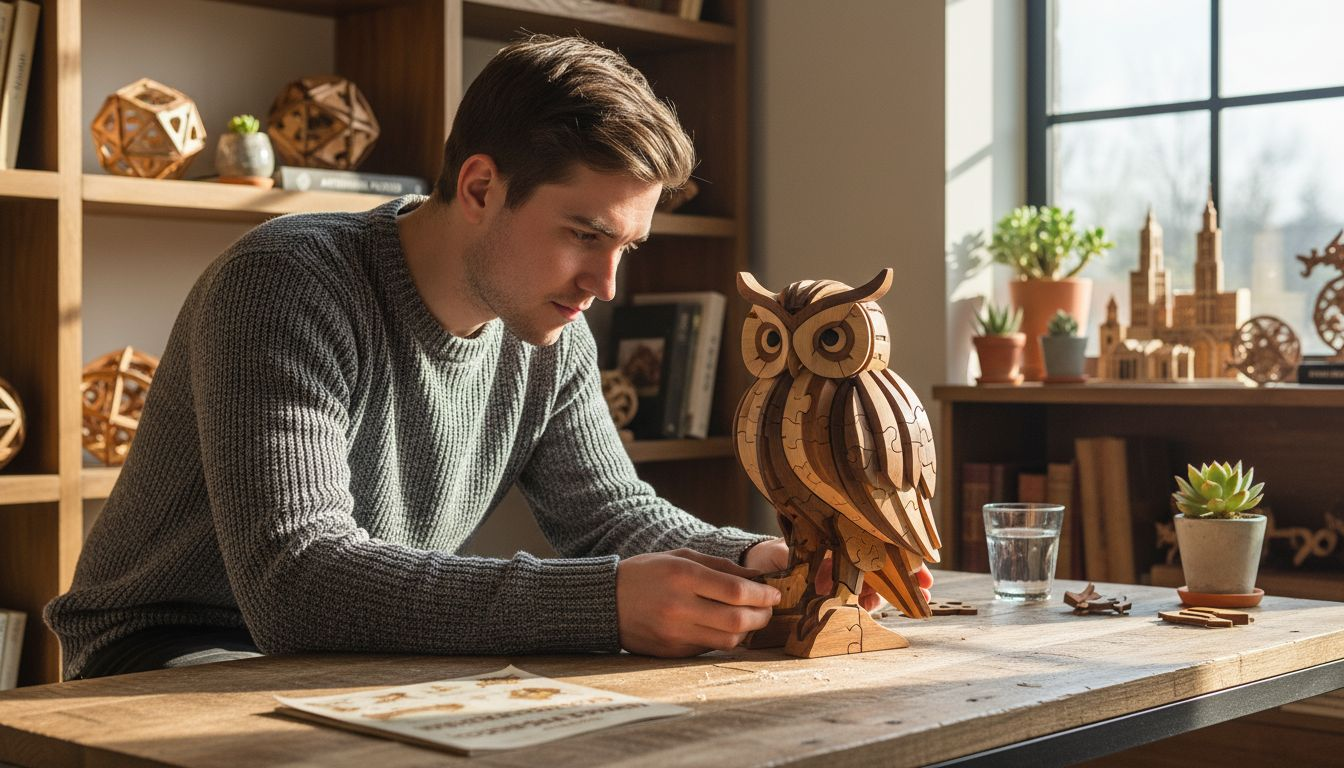
3D wooden puzzles take specialty puzzles into spatial dimensions. 3D wooden puzzles are growing in popularity among collectors and enthusiasts in 2026 due to their unique challenge and display appeal. These puzzles require assembling flat wooden pieces into three-dimensional models like buildings, vehicles, animals, or mechanical objects. The construction process develops spatial reasoning and fine motor skills beyond what flat puzzles offer. Completed models serve as impressive desk decorations or shelf displays. Complexity varies from simple 50-piece beginner models to intricate 500-piece architectural replicas requiring hours of focused assembly.
| Puzzle Type | Piece Count Range | Skill Level | Primary Appeal | Display Method |
|---|---|---|---|---|
| Wooden Jigsaw | 100-1000 | Beginner to Advanced | Artistic imagery, meditative assembly | Framed wall art |
| 3D Wooden | 50-500 | Intermediate to Expert | Spatial challenge, model building | Shelf or desk display |
| Novelty Shape | 50-300 | Beginner to Intermediate | Unique formats, thematic designs | Standalone or framed |
| Miniature | 50-150 | All levels | Portability, quick completion | Small frames or collections |
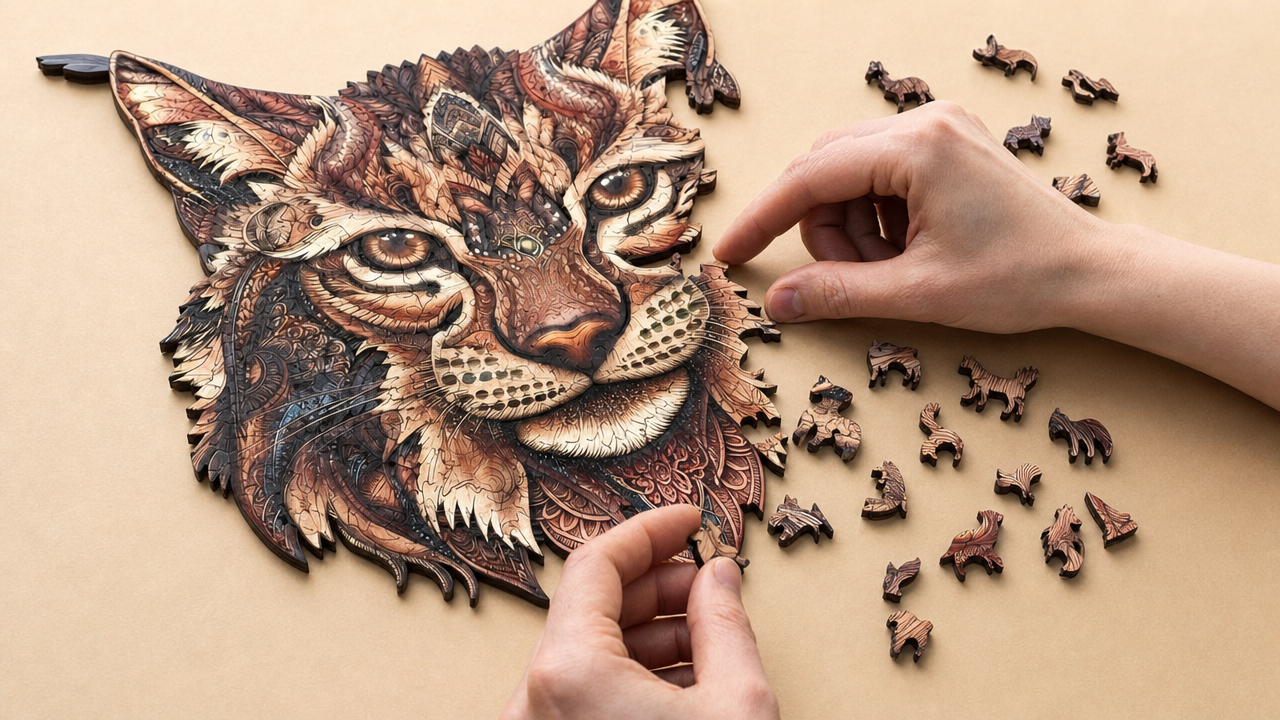
Novelty specialty puzzles push creative boundaries with unconventional formats. These might include puzzles cut into shapes matching their imagery, like a cat-shaped puzzle featuring feline artwork, or double-sided puzzles offering two challenges in one. Some feature glow-in-the-dark elements, textured surfaces, or hidden images revealed only when completed. These options work particularly well as conversation-starting gifts or for puzzlers seeking something beyond traditional rectangular formats.
Miniature specialty puzzles offer portability and quick satisfaction. With smaller piece counts and compact finished sizes, they suit travel, short solving sessions, or creating collections. Despite their size, they maintain the quality materials and artistic design of larger specialty puzzles. Many collectors enjoy assembling series of miniature puzzles around themes like seasons, animals, or landmarks.
Explore 3D wooden puzzles and wooden jigsaw puzzles to compare options directly and find formats matching your interests.
Benefits of specialty puzzles for relaxation, skill-building, and decor
Specialty puzzles deliver value extending far beyond simple entertainment. Their benefits touch mental health, cognitive development, social connection, and home aesthetics.
Mental relaxation ranks among the most significant benefits. Puzzle solving requires focused attention that naturally quiets racing thoughts and worries. This meditative state reduces stress hormones and promotes mindfulness. The repetitive actions of sorting, examining, and placing pieces create a calming rhythm similar to meditation practices. Specialty puzzles encourage collaborative play and improve cognitive skills while providing stress relief through engaging, hands-on activity. Unlike screen-based entertainment, puzzles offer tactile satisfaction and visual progress that feels genuinely rewarding. Many enthusiasts describe puzzle time as their daily decompression ritual.
Cognitive skill development occurs naturally during puzzle solving:
- Pattern recognition: Identifying colors, shapes, and image details strengthens visual processing abilities.
- Problem-solving strategies: Developing systematic approaches to complex challenges transfers to other life areas.
- Spatial reasoning: Understanding how pieces fit together and visualizing the complete image enhances spatial intelligence.
- Memory enhancement: Remembering piece locations, colors, and shapes exercises short-term and working memory.
- Concentration stamina: Maintaining focus for extended periods builds attention span and mental endurance.
These skills benefit people of all ages, making specialty puzzles valuable for maintaining cognitive health throughout life.
Social engagement emerges when puzzles become shared activities. Families gather around puzzle tables, friends collaborate on challenging sections, and couples enjoy quiet evenings working together toward common goals. The low-pressure, non-competitive nature makes puzzles accessible social activities for people with varying abilities and interests. Puzzle clubs and online communities connect enthusiasts who share completed images, exchange tips, and celebrate achievements.
Wooden puzzles are preferred eco-friendly gifts by 60% of adult buyers in 2026, reflecting growing awareness of sustainable product choices. Specialty puzzles align with values-driven purchasing by using renewable materials, minimizing plastic packaging, and creating durable products that last years rather than ending up in landfills. This environmental responsibility adds meaningful value for eco-conscious consumers.
Home decor potential transforms completed puzzles from temporary activities into permanent artistic additions. The artistic imagery and quality materials warrant display rather than disassembly. Framed specialty puzzles add personal touches to living spaces, reflecting individual interests and accomplishments. Unlike mass-produced prints, displayed puzzles carry stories of time invested and challenges overcome.
Pro Tip: Rotate displayed puzzles seasonally to refresh your decor while building a collection. Store completed puzzles flat between acid-free sheets to prevent warping and protect the image.
Discover more about adult puzzle benefits and why eco-friendly puzzle gifts resonate with thoughtful buyers.
How to select and care for specialty puzzles for longevity and display
Choosing the right specialty puzzle and maintaining it properly ensures maximum enjoyment and lasting value.
When selecting specialty puzzles, evaluate these quality indicators:
- Wood quality: Look for smooth, splinter-free surfaces with consistent thickness and natural wood grain visible through finishes.
- Cutting precision: Pieces should fit snugly without forcing but separate easily without tearing.
- Image clarity: High-resolution printing with vibrant colors and sharp details indicates quality reproduction.
- Finish durability: Non-toxic protective coatings should resist scratches and moisture without yellowing.
- Piece variety: Diverse shapes including whimsy pieces add interest and challenge.
- Packaging: Sturdy boxes with reference images and piece organization systems show manufacturer care.
Theme selection depends on personal interests and intended use. Nature scenes work well for relaxation-focused puzzling. Abstract designs challenge experienced puzzlers. Cultural or historical themes suit educational interests. Consider the completed puzzle’s display location when choosing imagery and colors that complement your decor.
Difficulty matching prevents frustration and maintains engagement. Beginners should start with 100 to 300 pieces featuring distinct color areas and clear image boundaries. Intermediate puzzlers handle 300 to 600 pieces with moderate detail and color variation. Advanced enthusiasts tackle 600-plus pieces with subtle color gradients, repetitive patterns, or monochromatic sections.
| Care Task | Frequency | Method | Purpose |
|---|---|---|---|
| Dust removal | Before each use | Soft brush or microfiber cloth | Prevents buildup affecting fit |
| Deep cleaning | Annually | Slightly damp cloth, immediate drying | Removes oils and grime |
| Storage check | Seasonally | Inspect for warping or damage | Early problem detection |
| Frame maintenance | As needed | Clean glass, check mounting | Preserves displayed puzzles |
Proper storage protects unassembled and completed puzzles. Keep pieces in their original boxes or airtight containers away from humidity and temperature extremes. Store boxes flat to prevent warping. For in-progress puzzles, use puzzle mats that roll up securely or dedicated puzzle boards with sorting trays. Never store wooden puzzles in damp basements or hot attics where moisture and heat cause warping.
Proper framing preserves handcrafted wooden puzzles as art for long-term display. Apply puzzle glue designed for wooden puzzles before framing to permanently secure pieces. Use acid-free backing boards and UV-protective glass to prevent yellowing and fading. Select frames that complement both the puzzle imagery and your room decor. Consider floating frames that showcase the puzzle’s edges and unique piece shapes.
Cleaning wooden puzzles requires gentle approaches. Dust pieces with soft brushes or microfiber cloths before and after assembly. For deeper cleaning, use barely damp cloths and dry immediately to prevent moisture absorption. Never submerge wooden puzzles in water or use harsh chemicals that damage finishes. Handle pieces by edges to minimize oil transfer from fingers.
Common preservation mistakes include storing puzzles vertically where pieces shift and potentially fall out, exposing them to direct sunlight that fades colors, using inappropriate adhesives that yellow or fail over time, and neglecting humidity control in storage areas.
Pro Tip: Photograph your completed puzzle before framing as a backup reference and social media share. The photo also helps if you ever need to reassemble after moving or storage.
Consult the wooden puzzle framing guide for detailed preservation techniques and the wooden puzzle size guide to select appropriate dimensions for your space.
Explore Lubiwood’s specialty wooden puzzles collection
Now that you understand what makes specialty puzzles valuable and how to care for them, exploring quality options becomes the natural next step. Lubiwood specializes in handcrafted wooden puzzles that embody the artistic design, eco-friendly materials, and premium craftsmanship discussed throughout this guide. Each puzzle features laser-cut precision and sustainably sourced wood, creating pieces that feel substantial and satisfying to handle.
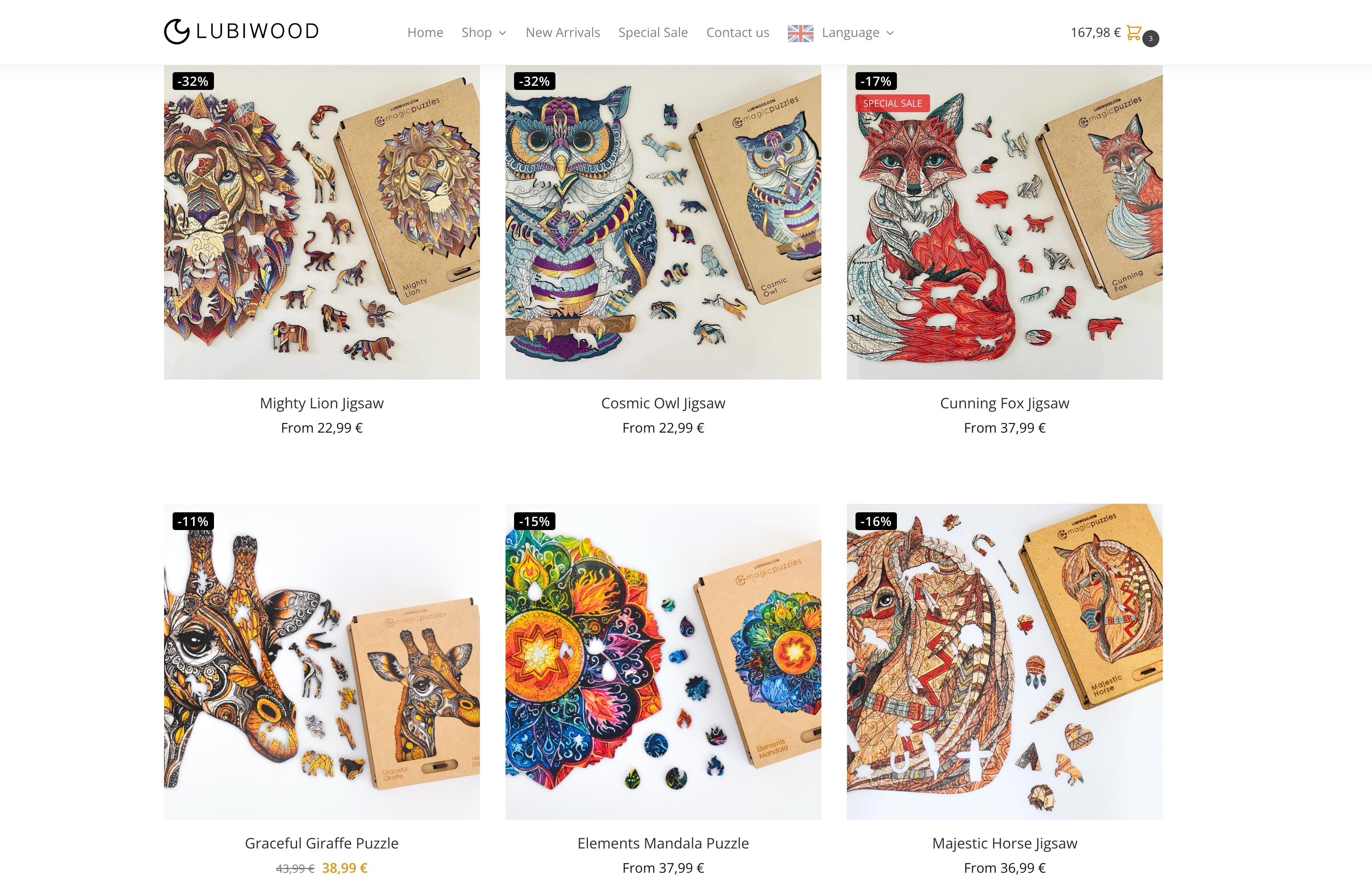
The collection includes diverse options for every skill level and interest. Browse 3D wooden puzzles collection for spatial challenges that become impressive displays, or explore wooden jigsaw puzzles selection featuring artistic imagery perfect for framing. Whether you’re seeking personal relaxation tools, meaningful gifts, or decorative art pieces, the best specialty puzzles combine quality materials with thoughtful design to deliver experiences worth savoring.
Frequently asked questions
What makes a puzzle ‘specialty’?
Specialty puzzles distinguish themselves through premium materials, artistic design, and handcrafted quality rather than mass production. They typically use sustainably sourced wood instead of cardboard, feature laser-cut precision for unique piece shapes, and showcase carefully selected imagery with display potential. The craftsmanship involved creates puzzles that function as both engaging activities and collectible art pieces. Environmental responsibility through eco-friendly materials and production methods further defines specialty status.
Are specialty puzzles suitable for all ages?
Many specialty puzzles target adults and older children due to complexity and artistic themes. However, manufacturers offer varying difficulty levels to accommodate different ages and skill sets. Simple 100-piece wooden puzzles with clear imagery work well for children aged eight and up, while intricate 1000-piece designs or complex 3D models challenge experienced adult puzzlers. Always check manufacturer age recommendations and piece counts when selecting puzzles for specific individuals.
What materials are used in specialty wooden puzzles?
Specialty wooden puzzles primarily use sustainably sourced hardwoods like birch, basswood, or plywood that provide durability and smooth surfaces. Manufacturers apply non-toxic water-based finishes and eco-friendly inks to protect wood and reproduce images without harmful chemicals. Some puzzles incorporate natural wood grain as part of the aesthetic appeal. The commitment to renewable materials and safe finishes makes wooden puzzles environmentally responsible choices compared to plastic or chemically treated alternatives.
How do specialty puzzles support relaxation and mental health?
Engaging with puzzles creates meditative states that reduce stress by focusing attention on immediate, manageable tasks rather than worries. The repetitive actions of sorting, examining, and placing pieces lower cortisol levels and promote mindfulness similar to meditation practices. Puzzle solving also provides a sense of accomplishment and progress that boosts mood and self-efficacy. The tactile satisfaction of handling quality wooden pieces and the visual reward of watching images emerge contribute to overall relaxation and mental well-being.
Can specialty puzzles be displayed as home decor?
Handcrafted specialty puzzles are specifically designed with artistic imagery worthy of permanent display. The quality materials and thoughtful design make completed puzzles attractive wall art that reflects personal interests and accomplishments. Proper framing with puzzle glue, acid-free backing, and UV-protective glass preserves puzzles for years as decorative pieces. Unlike mass-produced prints, displayed puzzles carry personal meaning and conversation-starting stories about the assembly experience, making them unique additions to home decor.