
Puzzle design voting transforms how collectors and enthusiasts shape the puzzles they love. Instead of designers working in isolation, this collaborative process invites you to nominate, evaluate, and select winning designs that become real handcrafted products. By participating, you directly influence which artistic visions get laser-cut into premium wooden puzzles, ensuring the market reflects your preferences for unique aesthetics and eco-friendly craftsmanship. This guide walks you through what puzzle design voting is, how contests unfold from nomination to winner selection, and why your vote matters for supporting sustainable artistry in the puzzle world.
Table of Contents
- Understanding Puzzle Design Voting: Purpose And Process
- The Role Of Community And Judges In Puzzle Design Voting
- Comparing Voting Models And Their Impact On Puzzle Design Innovation
- How To Participate In Puzzle Design Voting And Why It Matters To Collectors
- Explore Handcrafted Eco-Friendly Puzzles And Join Our Community Vote
- Frequently Asked Questions About Puzzle Design Voting
Key takeaways
| Point | Einzelheiten |
|---|---|
| Voting empowers community influence | Enthusiasts nominate and select designs that become handcrafted puzzles, shaping market trends. |
| Multi-phase process ensures quality | Contests use nomination periods, expert judging, and public voting to identify winners. |
| Judges and public collaborate | Professional expertise shortlists finalists while community votes determine final winners. |
| Eco-friendly focus drives innovation | Voting rewards sustainable materials and artistic craftsmanship in puzzle design. |
Understanding puzzle design voting: purpose and process
Puzzle design voting is a structured competition where the public and expert judges collaborate to identify exceptional puzzle designs worthy of production. This democratic approach ensures that handcrafted puzzles reflect both artistic merit and collector preferences. The 5th Bravo Awards (2026) exemplifies this model, featuring clear nomination deadlines, judges selecting finalists, and open public voting determining winners. By blending expert evaluation with grassroots input, voting contests champion innovation while maintaining quality standards for laser-cut wooden puzzles.
The typical voting process unfolds in three distinct phases. First, an open nomination period invites designers and enthusiasts to submit original puzzle concepts, often with specific themes or material requirements like sustainable wood. Second, a panel of judges reviews submissions based on criteria including artistic originality, technical feasibility for laser cutting, and alignment with eco-friendly values. Judges narrow entries to a finalist pool, typically the top four designs plus additional judges’ picks. Third, the open voting phase allows the public to review finalists and cast votes, with winners receiving prizes and often seeing their puzzle design awards structure concepts manufactured as real products.
Understanding these stages helps you participate effectively. Key elements include:
- Nomination windows with specific submission deadlines
- Judging criteria focused on craftsmanship and sustainability
- Public voting periods lasting one to three weeks
- Prize structures rewarding multiple winners to encourage diverse entries
The 5th Bravo Awards (2026) demonstrated this sequence clearly, with public nominations feeding into a judges’ selection process before open voting determined final placements. For collectors, this transparency builds trust that winning designs genuinely represent community values and expert standards. Voting contests also motivate designers to push creative boundaries, knowing their work faces rigorous evaluation and public scrutiny. This competitive environment elevates the entire puzzle industry, driving continuous improvement in judging criteria for puzzle design and production quality.
To maximize your impact, familiarize yourself with contest timelines and submission requirements early. Many voting platforms provide detailed guidelines on acceptable materials, design specifications, and how judges weigh factors like eco-friendliness. By understanding the process, you can nominate designs strategically and vote for concepts that align with your preferences for handcrafted artistry and sustainable practices.
The role of community and judges in puzzle design voting
Judges bring specialized knowledge in woodworking, laser-cutting technology, and artistic composition to evaluate submissions. Their expertise ensures finalists meet production standards and embody qualities like intricate detail, structural integrity, and visual appeal. In the 5th Bravo Awards (2026), judges selected top finalists based on technical merit and aesthetic innovation, filtering hundreds of entries into a manageable pool for public consideration. This expert curation protects voters from overwhelming choice while guaranteeing that every finalist represents viable, high-quality design.
Community votes inject grassroots preferences into the selection process, reflecting what collectors actually want to buy and assemble. While judges prioritize technical excellence, public voting highlights emotional resonance, thematic relevance, and personal taste. This balance prevents contests from becoming purely academic exercises, ensuring winners appeal to real enthusiasts. The combination of expert shortlisting and popular voting creates a two-tier filter: designs must satisfy both professional standards and consumer demand to succeed.
Typical roles break down as follows:
- Judges evaluate technical feasibility, craftsmanship quality, and material sustainability
- Community voters assess aesthetic appeal, thematic interest, and personal connection
- Contest organizers facilitate transparent processes and publish clear timelines
- Designers iterate based on feedback from both judges and public commentary
Pro Tip: Engage early in nomination periods to influence which designs even reach the judging phase, giving your favorite artists and styles the best chance at finalist selection.
The collaborative dynamic between judges and community fosters accountability. Judges cannot ignore popular sentiment entirely, as design competitions and voting influence public perception of their expertise. Conversely, community voters benefit from judges filtering out technically flawed or impractical submissions. This partnership elevates puzzle design by combining artistic vision with market viability, ensuring winning concepts translate into successful handcrafted products that collectors cherish.

For enthusiasts, understanding these roles clarifies how your vote fits into the larger ecosystem. You are not simply picking favorites; you are validating designs that judges deem producible, shaping which artistic directions receive commercial support. This knowledge empowers strategic voting, where you consider both personal preference and broader implications for the puzzle industry’s creative trajectory.
Comparing voting models and their impact on puzzle design innovation
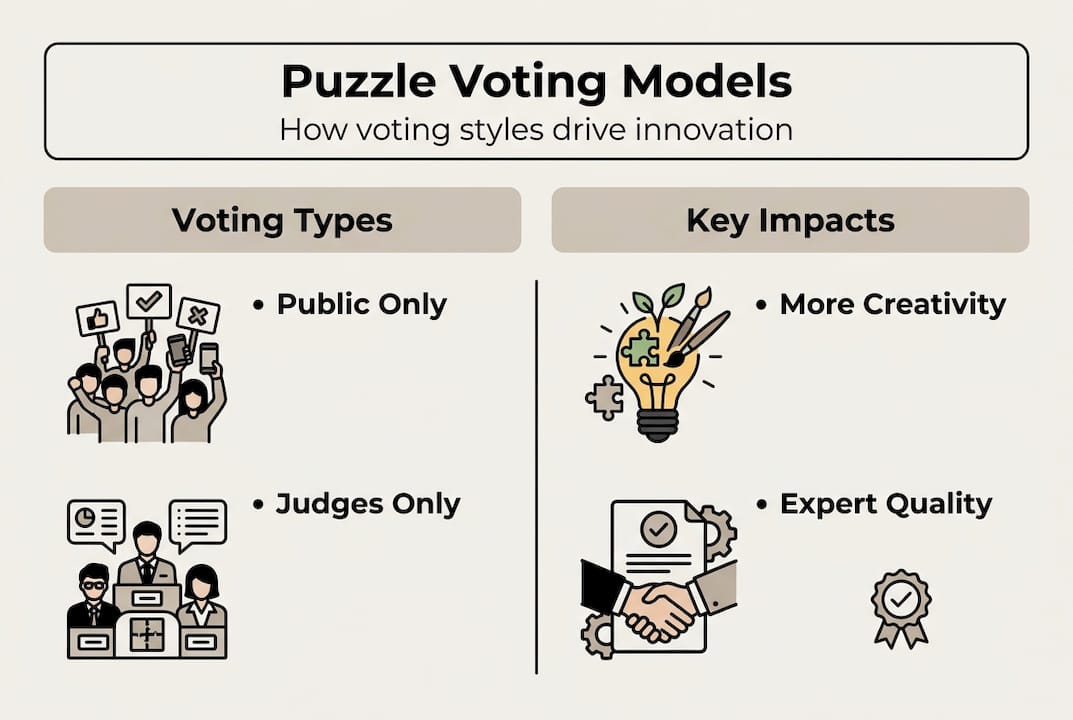
Different contests employ varied voting structures, each influencing creativity and community engagement uniquely. The three primary models are mixed judge and public vote, pure public vote, and multiple judging rounds. Understanding these formats helps you predict which puzzle features tend to win and how to support your preferred design philosophies.
Mixed judge and public vote, as seen in the 5th Bravo Awards (2026), combines expert curation with democratic selection. Judges shortlist finalists, then the public votes on winners. This model balances quality control with popular appeal, reducing the risk of technically flawed designs winning while still honoring community preferences. Pure public vote skips expert filtering, allowing anyone to submit and all voters to choose directly. This approach maximizes inclusivity but may favor designs with strong marketing or social media presence over objective quality. Multiple judging rounds involve iterative expert evaluations, often with feedback loops where designers refine submissions based on judge comments before final selection. This model prioritizes technical excellence and innovation but can feel less accessible to casual participants.
A comparison reveals key trade-offs:
| Voting Model | Creativity Impact | Fairness | Community Engagement |
| — | — |
| Mixed judge and public | High, balances innovation with viability | Strong, expert filter ensures quality baseline | Moderate, public votes on curated finalists |
| Pure public vote | Variable, popularity can overshadow merit | Moderate, social reach influences outcomes | High, everyone participates equally |
| Multiple judging rounds | Very high, iterative feedback refines designs | Strong, rigorous expert evaluation | Low, limited public involvement until final stage |
The Chess 43sq contest within the 5th Bravo Awards (2026) exemplified mixed voting’s effectiveness, with 13+ entries and top 5 prizes awarded through combined community and judges’ phases. This multi-prize structure motivated diverse submissions, from traditional chess themes to abstract interpretations, demonstrating how voting formats shape design variety. By rewarding multiple winners, the contest encouraged risk-taking and experimentation, knowing that unconventional designs still had pathways to recognition.
Pro Tip: Study the voting model before participating to understand whether judges prioritize technical craftsmanship or if public appeal drives outcomes, then tailor your nominations and votes accordingly.
For collectors, voting models signal what types of puzzles will likely emerge. Contests emphasizing judge input tend to produce intricate, technically sophisticated designs ideal for experienced assemblers. Pure public votes often yield visually striking, thematically accessible puzzles that appeal to broader audiences. Multiple judging rounds generate cutting-edge innovations that push material and design boundaries, though these may be niche or experimental. Recognizing these patterns helps you engage with contests aligned to your taste, whether you prefer major puzzle design contests and voting for traditional artistry or voting systems for puzzle design awards that champion avant-garde concepts.
Voting models also impact the puzzle industry’s evolution. Mixed systems sustain a healthy balance between innovation and commercial viability, ensuring winning designs actually get manufactured and sold. Pure public votes can democratize access but risk homogenizing aesthetics toward mainstream preferences. Multiple judging rounds advance the state of the art but may alienate casual fans. By participating thoughtfully across different contest types, you help shape which models dominate, influencing the future diversity and quality of handcrafted wooden puzzles available to collectors.
How to participate in puzzle design voting and why it matters to collectors
Participating in puzzle design voting is straightforward and rewarding. Follow these steps to make your voice heard:
- Identify upcoming contests through puzzle communities, manufacturer websites, or social media channels dedicated to wooden puzzles.
- Review contest rules, including nomination deadlines, submission guidelines, and judging criteria focused on craftsmanship and sustainability.
- Nominate designs during the open submission period, either your own creations or works by artists you admire, ensuring entries meet material and theme requirements.
- Monitor the judging phase to see which designs advance to finalist status, often announced via contest websites or email updates.
- Cast your vote during the open voting phases when the public directly influences winner selection from the finalist pool.
- Engage with contest communities by sharing your favorite designs on social media, amplifying support for eco-friendly and handcrafted concepts.
Your participation delivers tangible benefits beyond personal satisfaction. Voting influences which puzzle designs enter production, shaping market availability of unique, artistic options. By supporting eco-conscious entries, you incentivize manufacturers to prioritize sustainable materials and ethical production methods. This collective action elevates industry standards, making handcrafted wooden puzzles more environmentally responsible across the board. Additionally, active voters often gain early access to winning designs, exclusive discounts, or insider updates on new releases, rewarding your engagement with practical perks.
For the broader community, widespread participation ensures contests genuinely reflect collector preferences rather than niche interests. High voter turnout validates the democratic process, encouraging organizers to host more frequent and diverse competitions. This positive feedback loop expands opportunities for designers to showcase talent and for enthusiasts to discover innovative puzzles they would never encounter through traditional retail channels.
Key reasons to participate include:
- Direct influence on puzzle design trends and production priorities
- Support for sustainable artistry and eco-friendly manufacturing practices
- Access to exclusive designs and early-bird purchasing opportunities
- Connection with a passionate community of collectors and creators
Staying informed requires minimal effort. Subscribe to newsletters from participate in puzzle voting platforms, follow puzzle brands on social media, and join online forums where enthusiasts share contest announcements. Many voting platforms also offer mobile apps or browser notifications, ensuring you never miss nomination windows or voting deadlines. By integrating these habits into your routine, you become an active shaper of the puzzle landscape rather than a passive consumer.
For collectors serious about curating distinctive puzzle collections, voting participation is strategic. Winning designs often appreciate in value as limited editions, and early supporters sometimes receive commemorative editions or artist signatures. Beyond financial considerations, voting connects you with the creative process, deepening appreciation for the skill and vision behind each handcrafted piece. This engagement transforms puzzle collecting from a solitary hobby into a collaborative cultural practice, where your input directly impacts what future generations of enthusiasts will assemble and treasure. Explore Holzpuzzle options guide resources to understand how design choices affect assembly experience and display potential, informing your voting decisions with practical knowledge.
Explore handcrafted eco-friendly puzzles and join our community vote
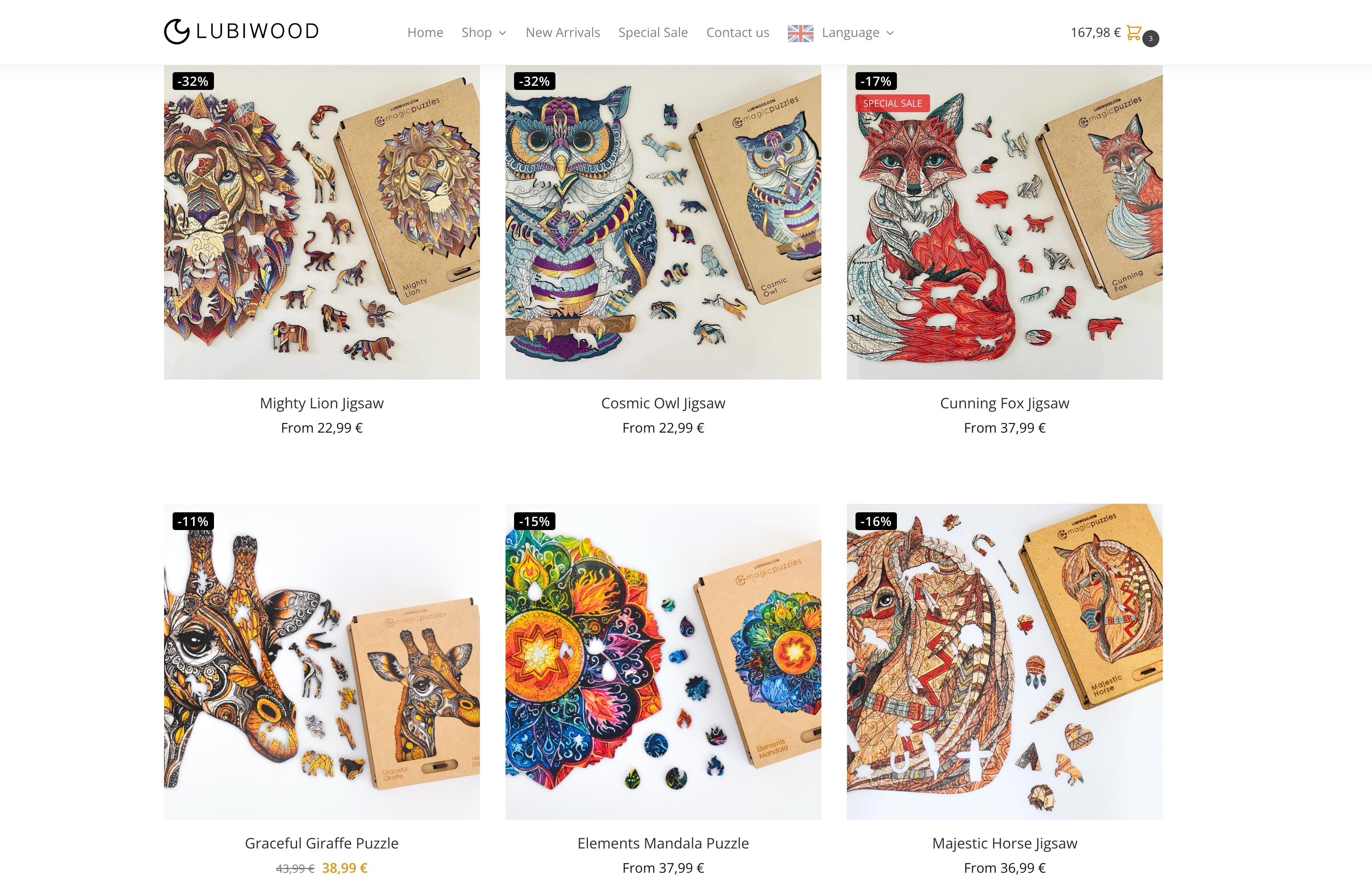
Lubiwood specializes in handcrafted Holzpuzzle that blend artistic design with sustainable materials, offering collectors unique pieces valued for both assembly enjoyment and Startseite decor. Our laser-cut puzzles feature intricate details and premium wood sourced from eco-friendly suppliers, ensuring every piece reflects commitment to environmental responsibility and artisan craftsmanship. By shopping our 3D wooden puzzles collection or Holzpuzzle selection, you access designs celebrated for originality and quality.
Join our community voting platform to influence which new designs we produce next. Your vote shapes our catalog, ensuring we offer puzzles that resonate with enthusiast preferences for artistic innovation and sustainable practices. Visit our puzzle design voting page to nominate your favorite concepts, review finalists, and cast votes that directly impact our production roadmap. Engage with a community of collectors who share your passion for handcrafted excellence and eco-conscious creativity.
Frequently asked questions about puzzle design voting
Who can vote in puzzle design contests?
Most contests allow anyone to vote during open public phases, requiring only basic registration with an email address. Some platforms restrict voting to verified purchasers or community members to prevent ballot stuffing, but the majority welcome all enthusiasts. Check specific contest rules on puzzle voting contests pages for eligibility details.
How do votes influence puzzle production and design trends?
Winning designs often enter production as limited or standard editions, with manufacturers prioritizing concepts that receive strong public support. High vote counts signal market demand, encouraging brands to invest in similar aesthetics, themes, or sustainable materials. Over time, voting trends shape industry-wide design directions, making popular styles more prevalent in retail offerings.
What are typical timing and deadlines for voting phases?
Nomination periods usually last two to four weeks, followed by one to two weeks for judging. Open voting phases typically run one to three weeks, with results announced shortly after. Contest organizers publish detailed timelines on their websites, and subscribing to updates ensures you never miss critical deadlines for participation.
How are handcrafted and eco-friendly considerations judged?
Judges evaluate material sourcing, production methods, and environmental impact alongside artistic merit. Designs using recyclable wood, non-toxic finishes, and energy-efficient laser-cutting score higher in sustainability categories. Puzzle judging criteria often include explicit eco-friendly benchmarks, rewarding designers who prioritize environmental responsibility without compromising craftsmanship or visual appeal.
How can I stay informed about upcoming votes?
Subscribe to newsletters from puzzle brands and contest platforms, follow relevant social media accounts, and join online communities dedicated to wooden puzzles. Many organizers also offer email alerts or mobile app notifications for new contests, ensuring you receive timely updates on nomination windows and voting deadlines directly.
