




Blog
What makes a quality jigsaw puzzle for mindful leisure

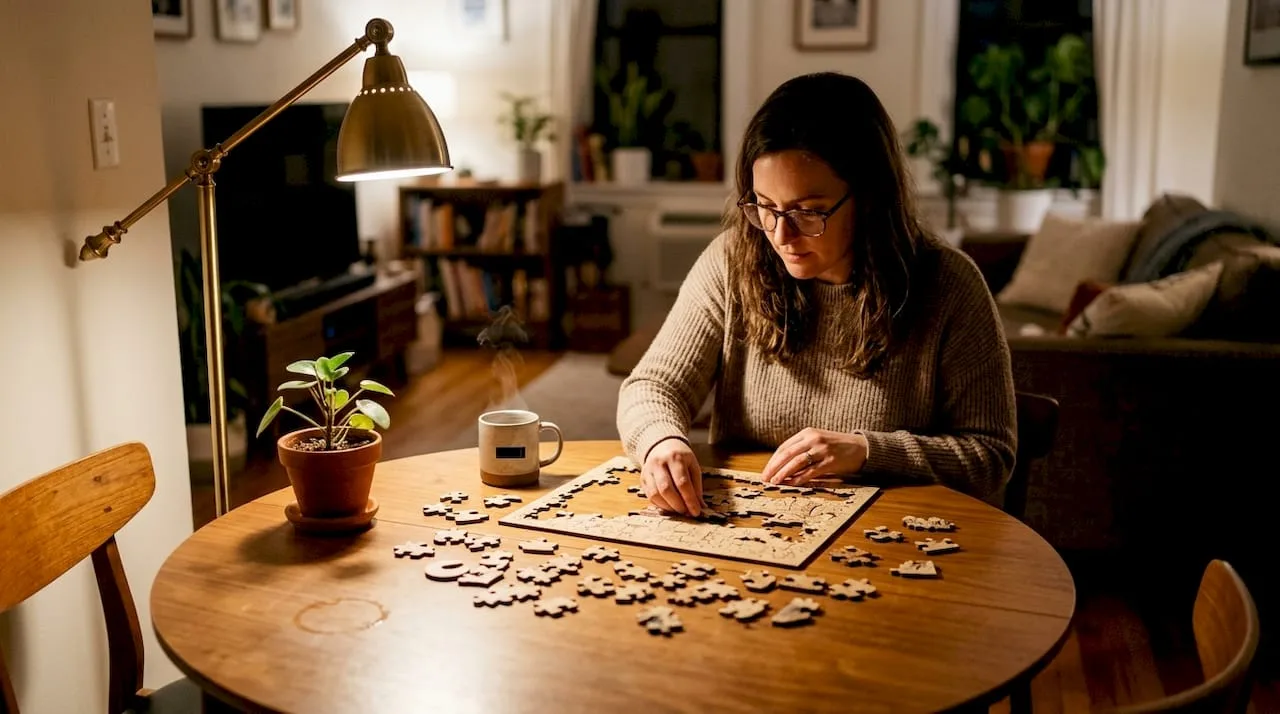
Many people assume all jigsaw puzzles offer the same experience, but that belief couldn’t be further from the truth. Quality handcrafted wooden puzzles provide far more than simple entertainment. They deliver artistic value, promote mindfulness, and serve as stunning home decor pieces. Understanding what separates premium puzzles from mass-produced alternatives helps you choose pieces that truly enhance your leisure time and living space. This guide explores the essential features that define a quality jigsaw puzzle worth your investment.
Table of Contents
- Key takeaways
- Understanding the materials: why hardwood matters
- The art of puzzle design: shapes, fit, and uniqueness
- Sustainable and artistic craftsmanship: more than just a game
- Choosing the right puzzle: size, complexity, and intended use
- Explore quality handcrafted wooden puzzles at Lubiwood
- Frequently asked questions
Key Takeaways
| Point | Details |
|---|---|
| Hardwood quality | Quality handcrafted wooden puzzles use sustainable hardwoods for durability and a premium tactile experience. |
| Sustainable sourcing | Sustainable sourcing ensures wood comes from managed forests and aligns with mindful living values. |
| Precision cutting | Laser cutting creates accurate fits and smooth edges that enhance handling and assembly. |
| Unique puzzle shapes | Unique silhouettes and themed contours keep the puzzle engaging and prevent monotony. |
Understanding the materials: why hardwood matters
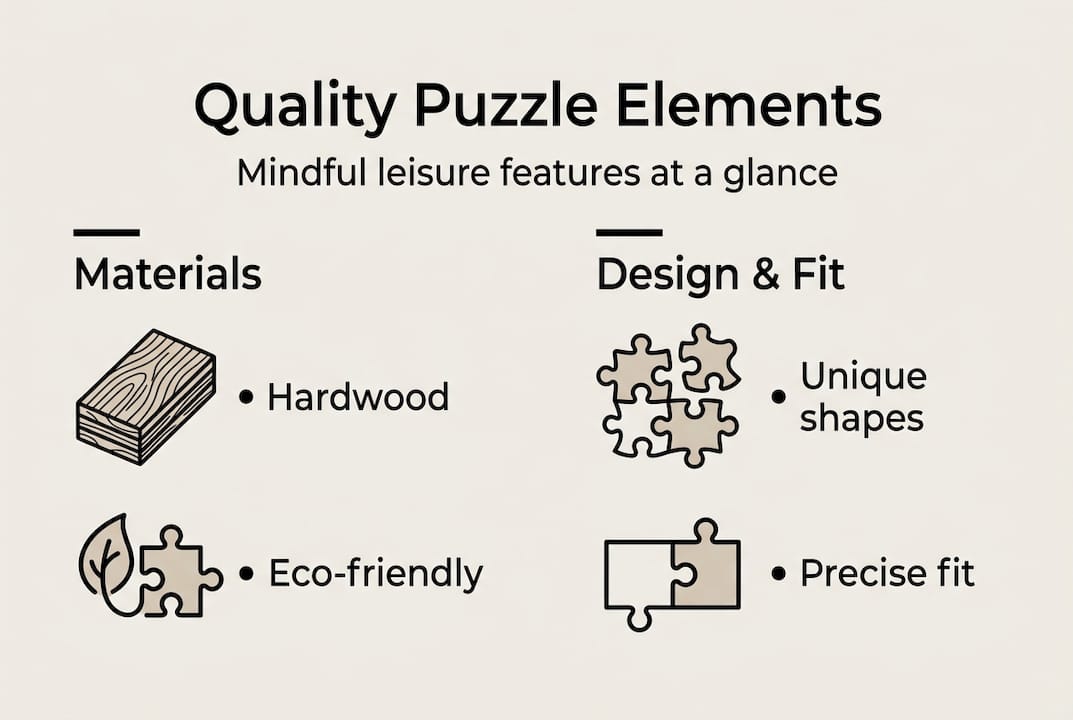
The foundation of any exceptional puzzle starts with its material. Quality handcrafted wooden puzzles use sustainable hardwoods to ensure durability and smooth piece fit. Hardwoods like maple and birch offer a premium tactile experience that cardboard simply cannot match. When you handle these pieces, you immediately notice the weight, texture, and solidity that make assembling them feel intentional and grounding.
Sustainable sourcing matters tremendously for eco-conscious puzzle enthusiasts. Responsible manufacturers select wood from managed forests, ensuring their products support environmental health rather than depleting it. This commitment to sustainability transforms a simple leisure activity into an ethical choice that aligns with mindful living values.
The manufacturing process also plays a critical role. Precision laser cutting creates smooth edges and exact fits that enhance your assembly experience. Each piece should slide into place with satisfying accuracy, never requiring force or leaving visible gaps. The wood’s natural texture adds warmth and character, creating a sensory experience that promotes relaxation and focus.
Key material considerations include:
- Hardwood density for piece stability and longevity
- Smooth finish that feels pleasant to touch repeatedly
- Natural grain patterns that add visual interest
- Non-toxic coatings that protect without compromising safety
- Sustainable certification from recognized forestry organizations
Pro Tip: Run your fingers across puzzle pieces before purchasing. Quality wood feels smooth without splinters, and pieces should have uniform thickness throughout. Avoid puzzles with rough edges or visible layering, which indicate lower-grade materials.
Cheap plywood or cardboard alternatives may cost less initially, but they deteriorate quickly. Edges fray, pieces bend, and the overall experience lacks the premium quality that supports true mindfulness practice. Investing in Lubiwood wooden puzzles quality means choosing pieces that last for years and maintain their beauty through repeated use.
The art of puzzle design: shapes, fit, and uniqueness
Piece design separates memorable puzzles from forgettable ones. Handcrafted puzzles with unique piece shapes provide a more engaging and satisfying experience than mass-produced generic puzzles. When every piece features a distinct silhouette, your brain stays actively engaged rather than falling into autopilot mode.
Unique shapes prevent the monotony that plagues standard grid-cut puzzles. Instead of endless identical knobs and holes, you encounter whimsical silhouettes, themed shapes, and creative contours that surprise and delight. This variety increases mental stimulation while maintaining the meditative flow state that makes puzzling so therapeutic.
Precision cutting ensures pieces fit together perfectly without forcing. Quality puzzles snap into place with gentle pressure, creating that satisfying click that confirms correct placement. Poor cutting leads to loose fits that fall apart easily or tight spots that require excessive force, both of which disrupt the peaceful assembly process.
| Feature | Handcrafted Puzzles | Mass-Produced Puzzles |
|---|---|---|
| Piece variety | Unique shapes throughout | Repetitive grid patterns |
| Fit precision | Tight, secure connections | Loose or overly tight |
| Edge quality | Smooth, clean cuts | Rough, inconsistent |
| Assembly experience | Engaging and mindful | Predictable and monotonous |
| Longevity | Pieces maintain shape | Edges wear quickly |
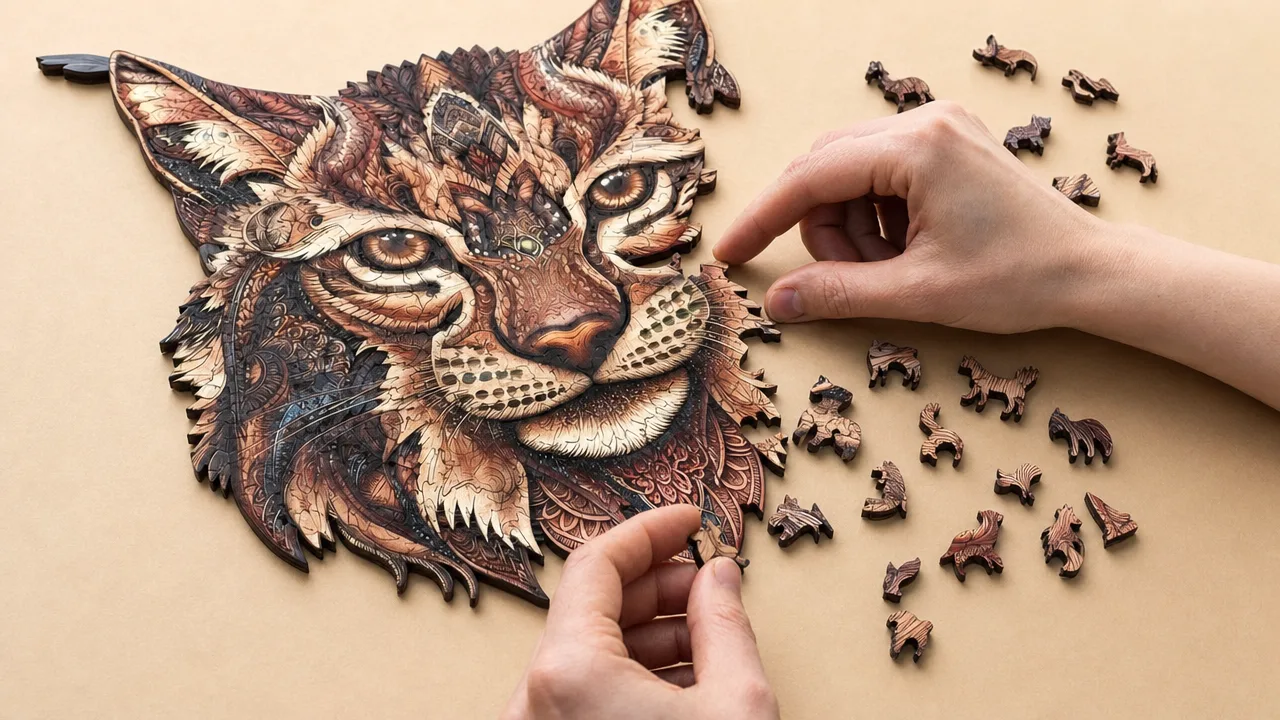
The role of piece variety extends beyond difficulty. Custom cuts can include themed shapes related to the puzzle image, adding layers of discovery to your experience. Animal-shaped pieces in wildlife scenes, leaf silhouettes in forest landscapes, or architectural elements in cityscapes create delightful moments of recognition that enhance enjoyment.
Proper fit eliminates frustrating gaps that ruin the finished appearance. When pieces align perfectly, the completed puzzle becomes a seamless work of art suitable for framing or display. Visible seams and wobbly connections diminish both the assembly satisfaction and decorative potential.
Consider these design elements:
- Piece count appropriate for image complexity
- Shape variety that challenges without overwhelming
- Edge piece design that provides clear starting points
- Color and pattern distribution that guides logical assembly
- Whimsy pieces that add surprise and personality
Pro Tip: Test a puzzle’s quality by examining corner pieces. They should have clean, sharp angles and fit snugly with adjacent pieces. If corners feel flimsy or don’t align properly, the entire puzzle likely suffers from poor craftsmanship.
The difference between handcrafted puzzle shapes and factory-produced alternatives becomes obvious after your first premium puzzle. The attention to detail in every cut demonstrates respect for your time and intelligence as a puzzler.
Sustainable and artistic craftsmanship: more than just a game
Modern puzzle enthusiasts increasingly value environmental responsibility alongside entertainment. Research shows that 60% of puzzle enthusiasts prefer eco-friendly gifts, valuing sustainable materials and artistic designs in wooden puzzles. This shift reflects growing awareness that leisure choices impact our planet and personal values.
Eco-conscious consumers seek puzzles made from sustainably sourced wood with minimal environmental footprint. Responsible manufacturers use renewable materials, non-toxic finishes, and recyclable packaging that reduces waste. These practices transform puzzle assembly into an act of environmental stewardship, aligning your relaxation time with ecological values.
Artistic design elevates puzzles from simple games to decorative art pieces. Premium puzzles feature museum-quality images, original artwork, and stunning photography that deserve prominent display. Once completed, these pieces become conversation starters and focal points that enhance your home’s aesthetic while celebrating your accomplishment.
Sustainable craftsmanship typically includes several key features:
- FSC-certified wood from responsibly managed forests
- Water-based, non-toxic finishes safe for all ages
- Minimal packaging using recycled and recyclable materials
- Local or regional production reducing transportation emissions
- Transparent supply chains documenting ethical sourcing
The connection between puzzles and mindfulness deepens when your activity supports nature rather than harming it. Knowing your leisure choice respects environmental limits allows you to relax more fully, free from guilt or cognitive dissonance about consumption impacts.
| Material Choice | Environmental Impact | Artistic Potential | Durability Rating |
|---|---|---|---|
| Sustainable hardwood | Low (renewable, biodegradable) | High (natural beauty, fine detail) | Excellent (lasts decades) |
| Recycled cardboard | Medium (diverts waste) | Medium (print quality limits) | Fair (degrades over time) |
| Virgin cardboard | High (tree harvesting) | Medium (good print quality) | Poor (single-use quality) |
| Cheap plywood | High (adhesives, waste) | Low (limited detail) | Fair (splinters, warps) |
Artistic styles in premium puzzles range from classical paintings to contemporary photography, abstract designs to nature scenes. This variety ensures you find pieces matching your aesthetic preferences and home decor style. Quality images feature rich colors, sharp details, and compelling compositions that remain visually interesting throughout the assembly process.
Many eco-friendly puzzle gifts double as meaningful presents that communicate thoughtfulness and shared values. Giving a sustainable, beautifully crafted puzzle shows you care about both the recipient and the planet, making it ideal for birthdays, holidays, or special occasions.
Choosing the right puzzle: size, complexity, and intended use
Selecting the perfect puzzle requires matching several factors to your specific needs and goals. Matching puzzle size and piece count to the user’s age and skill level maximizes enjoyment and mental benefits. Starting with appropriate difficulty prevents frustration while ensuring sufficient challenge to maintain engagement.
Puzzle complexity involves more than just piece count. Image content, color variation, and pattern repetition significantly affect difficulty. A 500-piece puzzle with distinct color zones may assemble faster than a 300-piece puzzle featuring subtle gradients or repetitive patterns. Consider both numerical and visual complexity when making your selection.
Your intended use should guide size and style choices. Puzzles for mindful relaxation benefit from moderate piece counts and soothing imagery. Decorative pieces warrant striking visuals and sizes appropriate for your display space. Gift puzzles should reflect recipient interests and skill levels to ensure they get completed and enjoyed.
Follow these steps to assess your needs:
- Evaluate your puzzle experience level honestly, considering how many puzzles you’ve completed recently.
- Determine your primary goal: relaxation, mental challenge, decoration, or gifting.
- Measure your available workspace to ensure the completed puzzle fits comfortably.
- Consider time commitment, estimating hours available for assembly sessions.
- Review the wooden puzzle size guide to match piece count with your goals.
- Select imagery that personally resonates, whether nature scenes, artwork, or photography.
Decor and gifting considerations include:
- Frame-ready sizes that fit standard frames without custom work
- Color schemes complementing existing room aesthetics
- Themes matching recipient hobbies or interests
- Seasonal imagery appropriate for gift-giving occasions
- Display-worthy art quality justifying prominent placement
Pro Tip: Balance challenge with mindfulness by choosing puzzles slightly below your maximum capability for relaxation sessions. Save highly complex puzzles for times when you want intense mental engagement rather than stress relief. This strategic selection ensures puzzling remains therapeutic rather than frustrating.
The benefits of jigsaw puzzles multiply when you choose pieces aligned with your current needs and capabilities. Beginners should start with 300 to 500 pieces featuring clear color distinctions. Intermediate puzzlers handle 500 to 1000 pieces comfortably, while experts enjoy 1000-plus piece challenges with subtle variations.
Remember that puzzle difficulty isn’t a competition. The goal is finding pieces that provide satisfying engagement at your current skill level while supporting your wellness and leisure objectives. Quality puzzles grow with you, offering different experiences as your abilities develop.
Explore quality handcrafted wooden puzzles at Lubiwood
Now that you understand what defines exceptional puzzle quality, it’s time to experience these features firsthand. Lubiwood specializes in premium wooden jigsaw puzzles that embody every quality criterion discussed in this guide. Each piece is laser-cut from sustainable hardwood, featuring unique shapes and artistic designs that transform assembly into a mindful, rewarding experience.
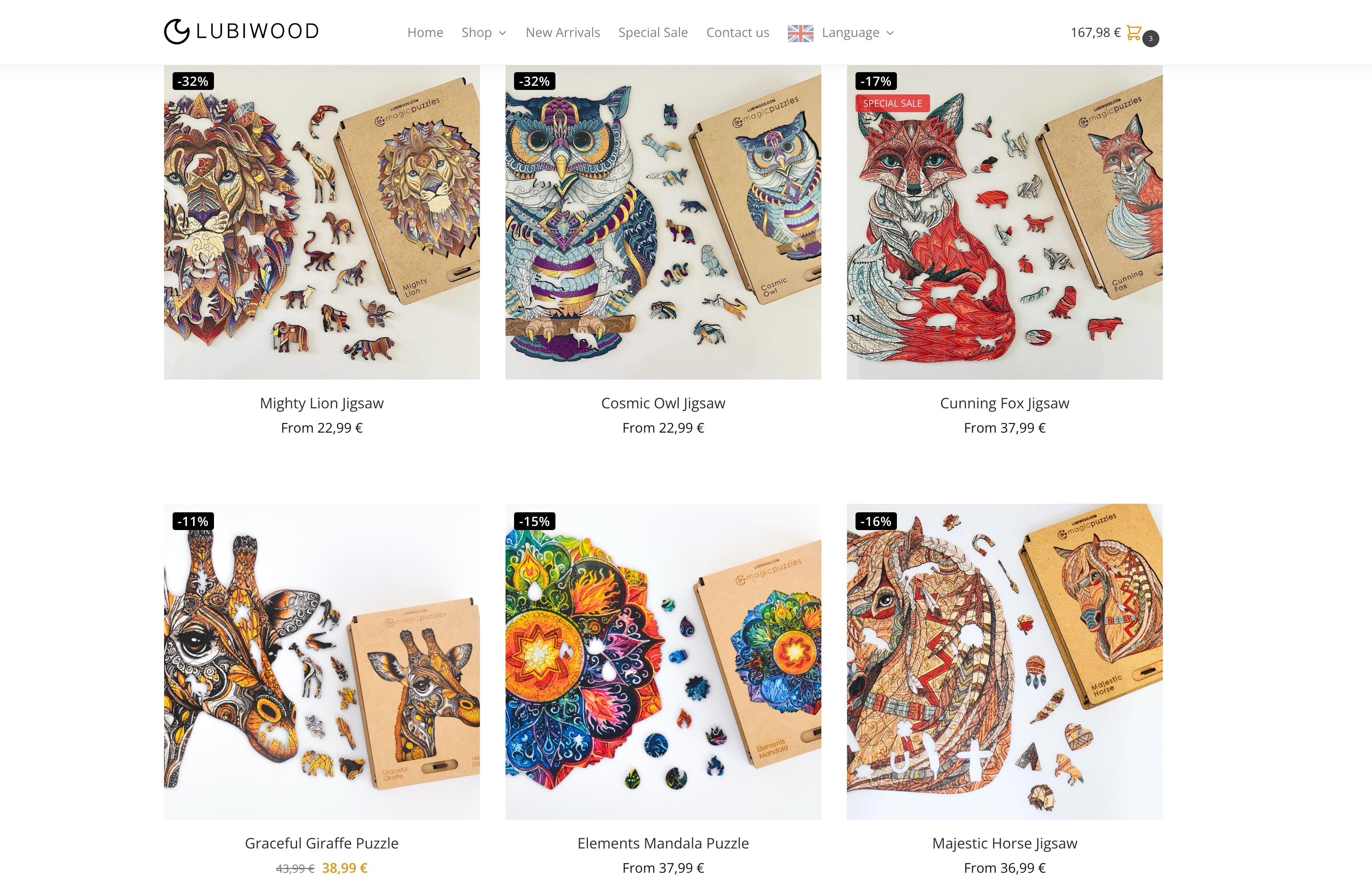
Our collection includes puzzles for every skill level and aesthetic preference. Whether you seek intricate 3d wooden puzzles that challenge spatial reasoning or classic designs perfect for relaxation, you’ll find pieces that match your needs. Every puzzle arrives ready to become both an engaging activity and a stunning display piece that enhances your home.
Explore our curated best puzzles collection to discover customer favorites that consistently deliver satisfaction. These handcrafted treasures support your mindfulness practice while honoring environmental values through sustainable materials and ethical production. Transform your leisure time into an art form with puzzles designed for discerning enthusiasts who appreciate quality craftsmanship.
Frequently asked questions
What criteria should I use to identify a quality jigsaw puzzle?
Look for hardwood materials, unique piece shapes, sustainable craftsmanship, and artistic design. Durable finish and proper sizing are also key indicators. Check for smooth edges, precise fit, and non-toxic coatings that ensure safety and longevity.
Are handcrafted wooden puzzles better for mindfulness than mass-produced ones?
Handcrafted puzzles offer unique shapes and precise fit that reduce frustration during assembly. Higher quality materials and artistic images increase relaxation and focus potential. The tactile experience of natural wood enhances the meditative aspects of puzzling, making each session more grounding and therapeutic.
How do I choose the right puzzle size for my skill level and purpose?
Start with the wooden puzzle size guide considering age and experience level. Balance complexity with mindfulness or decorative goals by matching piece count to available time and mental energy. Beginners should choose 300 to 500 pieces, while experienced puzzlers can handle 1000-plus piece challenges comfortably.
Can eco-friendly puzzles also be artistically intricate?
Many eco-friendly wooden puzzle art pieces feature detailed, artistic designs that rival any conventional puzzle. Sustainable craftsmanship adds value beyond environmental benefits by ensuring premium materials and precise cutting. You never have to sacrifice beauty or complexity when choosing responsibly sourced puzzles.